Category: Uncategorized

  • The Science Behind Genuine Human Connections and Serendipity

    The Science Behind Genuine Human Connections and Serendipity

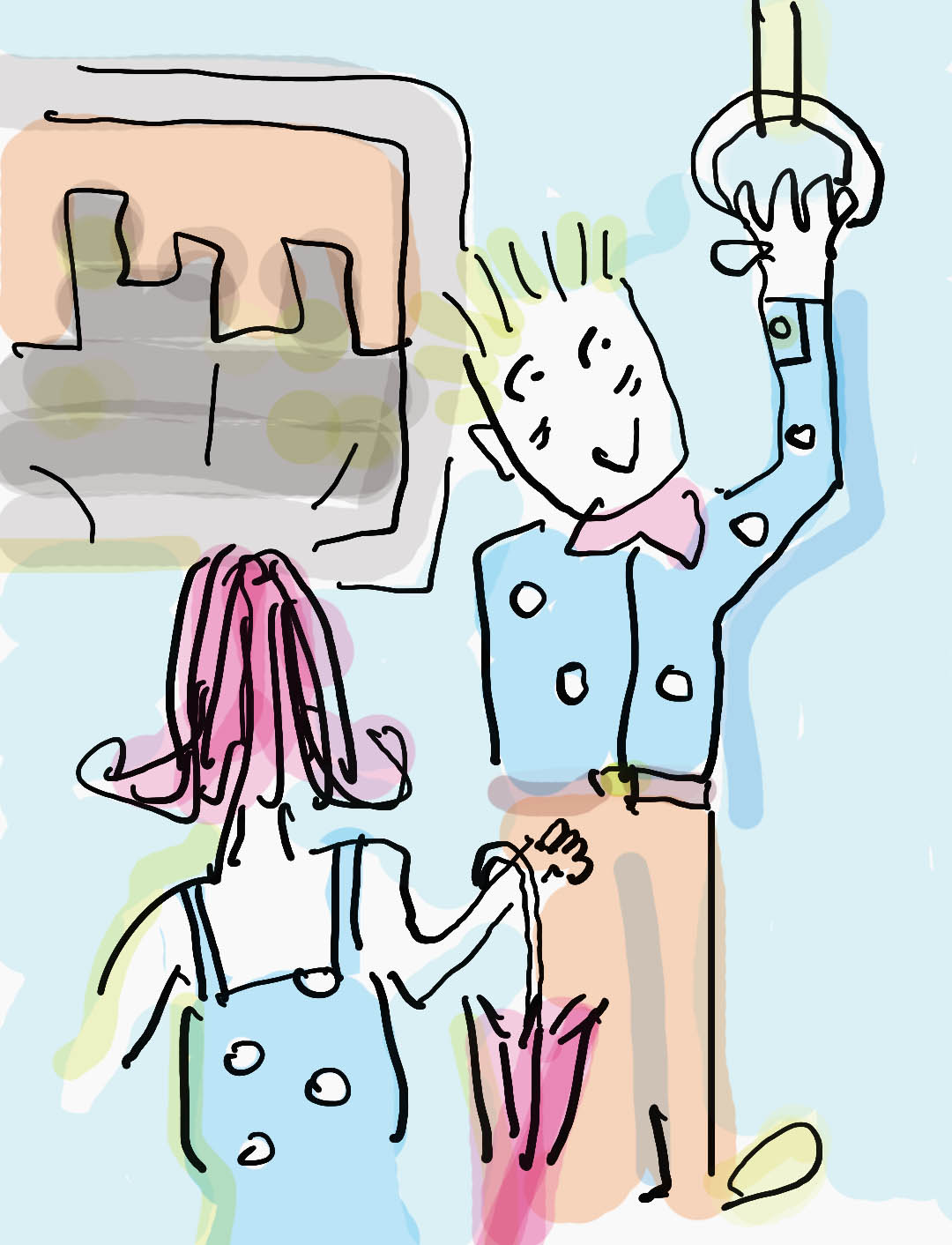
    You stand on the rush-hour platform in Shinjuku, jacket in hand, about to board the next train. Across the crowd, your eyes meet a stranger’s for just a flicker – one of those electric, out-of-time moments that feels more magical than a daily routine, as if it belongs in the world of films. Then, as suddenly as it began, it’s over. The train doors close. You both vanish into your separate lives. Hours later, that second of pure connection lingers like a dream you wish you could somehow rewind.

    Many people know this feeling – the curious ache of a missed connection, the lingering hope that destiny might offer a second try. What if you could press a rewind button on moments like these? Not to replace real life, but to power up your serendipity – with a gentle nudge from technology that helps recapture the moments when the universe seemed to say, “Pay attention – something special just happened.”

    The Once More platform overview is built on this belief. It’s not about replacing your real-life mosaic with screen time; it’s about extending the sweet spot of chances, with a blend of human wisdom, Destiny AI search engine, and the practical magic that lets you reconnect, rediscover, and reach out beyond a single fleeting moment.

    What is it about these brief encounters that leaves such a mark? Why do some glances, laughs, or missed opportunities become stories we keep replaying? Beneath these moments lies fascinating science about how serendipity shapes genuine human connection – and how mindful, respectful digital tools can help us experience more of these chances in real life.

    What Is Serendipity?

    When people talk about serendipity, they often mean lucky accidents – the kind of surprises that feel carved by fate. But there’s more to this idea than chance; at its heart, serendipity is the intersection of unpredictability, readiness, and memory.

    Memory-Making from Unplanned Encounters

    Psychologists define serendipity as an unexpected positive discovery. Maybe you bump into a long-lost friend outside a London bookshop. Or perhaps a stranger picks up your lost wallet and leaves a note at a Tokyo café so you can get it back. These “positive violations of expectation” stand out – they’re stored in your mind with extra vividness.

    Research shows that new and surprising events ramp up dopamine levels in the brain, which stamps those encounters with extra significance. Unlike everyday routines that blend together, these moments become bright markers because their sheer surprise demands attention. The out-of-the-blue magic makes serendipity impossible to forget.

    The Brain’s Pattern-Seeking Instinct

    Neuroscience helps explain why these moments feel “meant to be.” Humans are meaning-makers. The brain naturally searches for patterns, whether in music, nature, or human connections. When coincidences happen – the stranger who finds your scarf, the friend who messages just as you’re thinking of them – your mind lights up, trying to connect the dots.

    • The hippocampus stores these events under “special occasions,” remembering tiny details in vivid color.
    • Dopamine spikes fuel alertness and a feeling of reward.
    • The default mode network (DMN), key to imagination and self-reflection, fires up to replay and reinterpret these events, deepening emotional meaning.

    So when someone helps reunite you with a lost item, or you reconnect through a fleeting glance sparked by a community “Tag It” post, it’s not random luck – it’s your brain responding to a compelling story unfolding in real time.

    The Science of Genuine Human Connections

    Real connection changes you – not just emotionally but biologically. Science shows that forming bonds actually rewires your mind and body, growing resilience, optimism, and even physical health.

    Oxytocin and the Chemistry of Bonding

    At every human connection – whether a handshake or a hug – your brain releases oxytocin. Sometimes called the “cuddle hormone,” oxytocin encourages feelings of trust, safety, and warmth. Unlike the fast rush of dopamine (which rewards novelty and small wins), oxytocin builds steady, lasting bonds.

    Some highlights about how oxytocin works in relationships:

    • Face-to-face encounters flood the brain with oxytocin, priming people for openness and trust, even if the encounter is fleeting.
    • Shared experiences – finding a friend, celebrating a lost item found, or connecting over a memory from school – tend to amplify oxytocin effects, increasing the story’s emotional reach.
    • Small gestures, like safely delivering a found wallet or sending a heartfelt “missed connection” message, boost happiness for both giver and receiver.

    These effects only blossom in an environment of consent and respect. Trust grows where people feel safe. That’s why Once More’s core principle is Connection with Consent – users control every step, privacy is paramount, and no personal contact info is revealed without clear agreement from both sides.

    To learn how user safety is protected, review the privacy and data protection guidelines.

    Meaning-Making: How the Brain Weaves Significance

    The mind doesn’t just store memories – it constantly weaves them into bigger stories. When you meet someone unexpectedly (that “falling star” glance in the crowd), your brain:

    • Marks the moment as meaningful, fueling attention to the details – place, time, expression.
    • Launches into narrative mode, searching for reason or meaning (“Was it destiny? A sign?”).
    • Reacts strongly when a surprise breaks your normal routine, sticking that moment into long-term memory, where it grows in significance.

    This, scientists say, is one reason chance meetings or found items remain memorable – they break the pattern, offering a burst of novelty and hope.

    Social Pain, Rejection, and the Healing Power of Connection

    Human brains react so strongly to connection because being seen, supported, or rejected is as essential as nutrition or sleep. Studies show that social rejection triggers the brain’s pain centers, similar to a real physical injury. Loneliness, over time, can erode confidence, cognitive clarity, and even immunity.

    Fortunately, research highlights that even brief, authentic connections help buffer against loneliness:

    • Gazing at a friend’s photograph can soften the emotional response to pain.
    • Friendly greetings, or returning a found umbrella to its owner through a lost-and-found feature, raise mood and lower anxiety.
    • The simple act of being acknowledged or complemented can lift someone’s optimism for several days.

    Every encounter on Once More is built on privacy, respect, and mutual choice. Users can respond as they feel comfortable, symbolizing “Connection with Consent” – a core value for building genuine, healthy social bonds.

    For additional details on user rights and supportive practices, see our privacy and data protection guidelines.

    Why Real-Life Beats Digital Interactions

    Social media and messaging apps have made it possible to “connect” at almost any moment. But many individuals sense a gap; digital encounters often lack the spark, subtleties, and health benefits found in real, shared spaces. Actual presence makes a difference for mind, body, and soul.

    Body Language and the Magic of First Impressions

    Your brain picks up thousands of nonverbal signals during live interaction: micro-gestures, posture shifts, the sound of a laugh, the warmth of a handshake. These influence trust and attraction far more rapidly and deeply than text or emojis.

    • In-person, people are better at judging compatibility, sincerity, and intent. Research indicates you can often sense if you “click” in under 10 seconds.
    • Online, profiles, carefully staged photos, and selective sharing make first impressions less accurate, masking personality and hiding nuance.

    Shared Experiences and Brain-Deep Empathy

    Participating in activities together – sharing a table, helping someone with directions on the subway, or celebrating a shared joke – activates the brain’s empathy circuits.

    • Group activities (sports, cultural events, volunteering) fuel mutual trust and can trigger group-level oxytocin surges.
    • Even small acts – suggesting a favorite coffee spot in New York, passing salt in a London café, or cheering together at a Tokyo festival – strengthen what social scientists call “solidarity bias,” making us more likely to help and trust each other.

    Comparing Real-Life and Online Connections

    AspectOnline (Apps)Real-Life (Serendipity)
    Hormonal ResponseDopamine (quick, fleeting rush)Oxytocin (bonding, deeper trust)
    Accuracy of ImpressionsLimited; based on curated profilesFull spectrum of body language, tone
    Bond StrengthCan be fragile or surface-levelStrengthened by shared experience
    Health ImpactPossible isolationSupports mental and physical health

    Real growth happens when technology doesn’t replace these connections, but cares for them. Once More is committed to Real Life in a Digital World, offering respectful tools to extend and enhance opportunities for serendipitous, authentic interaction.

    Cultivating Serendipity Today

    Is destiny something you wait for – or is it a skill you can develop? Science leans towards the latter: people who regularly find themselves in “lucky” situations have honed certain attitudes and behaviors that make serendipity more likely.

    Nurturing a Serendipity Mindset

    Serendipity is rarely pure accident. Researchers have found that people who notice and benefit from chance encounters:

    • Step outside routines: They vary commute routes, visit new neighborhoods, and engage in new experiences.
    • Notice unusual details: They pay attention to others – expressions, gestures, forgotten items.
    • Act on hunches: They take initiative, whether by introducing themselves after an unusual exchange, posting about a lost object, or tagging a brief missed connection.

    To build a serendipity mindset, practice these daily habits:

    Serendipity Checklist

    • Try one new location each week – a park, shop, or event – outside your normal circuit.
    • Be available to surprise: Make eye contact, smile at a stranger, or ask a thoughtful question if an opportunity arises.
    • Develop real-world rituals: Take walks with friends, join local groups, or volunteer in your community. In-person routines leave longer emotional impressions.
    • Keep a serendipity journal: Jot down minor surprises or small actions you took. Over time, you’ll notice a pattern – and feel encouraged to act again.
    • Respond when fate whispers: If you regret a missed moment, consider using Once More’s “Tag It” feature – you never know who might be waiting to hear from you.
    • Refresh old connections: Geo-tag your school and year, and see if a long-lost friend is also reliving memories.

    If you want a gentle nudge, Once More’s Destiny AI search engine is designed just for these “out of time” connections. Use it to post clues – nothing that reveals private details, only what the other person would recognize. Enjoy reconnections, not intrusions.

    To join the experience and create your first tag, visit the user dashboard for posting tags. Your “falling star” moment could be the next to light up for someone else.

    Note: Once More is a platform for genuine connection and entertainment. Any information here is for educational purposes, not legal or medical advice. Communication between users is always initiated with consent and privacy in mind. Please use at your own discretion and review all safety resources before posting.

    Embracing Chance for Deeper Bonds

    Wishing for more chances is a universal human longing. Whether reaching out to a missed connection, locating a cherished item, or seeking a second episode with an old acquaintance, every small attempt widens life’s magical possibilities – a beautiful blend of fate, attention, and gentle action.

    Every Once More interaction is grounded in authenticity – no public profile pictures, no glossy bios. Instead, the process centers on real clues, mutual intent, privacy, and mutual respect. Personal information is never shared without clear mutual agreement. All posts, whether for “Lost & Found,” “Tag It,” or “Find Old Friends,” are reviewed to protect respect and discretion, ensuring that every experience retains a warm, welcoming atmosphere.

    If your city isn’t active, you are invited to request support – or perhaps join the Ambassador Program to help bring real-life magic to more places, from Tokyo to New York and London.

    Before connecting, please review our terms and disclaimers for a summary of safety and consent principles that guide the platform.

    Ready to power up your serendipity?
    Choose your “Tag It” clue, make your first connection, find an old classmate, or brighten someone’s day by returning a lost item. Your time machine is ready – the next delightful collision could be just a moment away.

    Download the app and start connecting now to open the doors to possibility.

    Destiny, community, and genuine connection are waiting. Your chance to step back into the sweet spot of all the chances life has in store may be just one tag away.

  • Understanding Human Chemistry Beyond Traditional Dating Apps

    Understanding Human Chemistry Beyond Traditional Dating Apps

    Have you ever locked eyes with a stranger on the train, felt a jolt of curiosity or connection, only to lose sight of them moments later? Maybe you spotted a familiar face at your favorite café, exchanged a knowing smile, but nerves or timing got in the way. Sometimes, that fleeting missed connection leaves you wishing for a rewind button. The magic feels unmistakable, but what is it, really – and why is it so hard to recapture in a world that seems fixated on endless swipes, profiles, and picture-perfect moments?

    For many, the search for meaningful connections can feel lonely or frustrating, especially within typical dating app experiences. It’s easy to feel let down by a digital journey that seems to skip over serendipity and the off-script resonance of real interactions. And when privacy and safety matter just as much as romance or friendship, it’s critical to find ways to connect that honor your boundaries and foster authentic encounters.

    Human chemistry is often described as magical, but there’s science (and some practical wisdom) behind that spark. If you’ve ever wondered why some chance encounters are electrifying while others fizzle, or if there’s a gentle way to find a second chance at magic without sacrificing security and autonomy, you’re not alone.

    This material is for general information only. For personal relationship advice, please consult a qualified professional.

    What Is Romantic Chemistry, Really?

    Has it ever happened to you?
    You share a brief look, joke, or even just a sense of ease with a stranger and wish you had the courage – or opportunity – to start a conversation.

    Romantic chemistry often feels otherworldly, but we rarely hear exactly what it means or why it can’t be conjured up with a profile or a photo.
    Chemistry is that invisible tug, an intuitive sense that goes beyond a checklist or a perfect smile. Yet it thrives on more than just immediate attraction.

    Beyond Physical Sparks: Why Looks Aren’t Everything

    Attraction might open the door, but memorable connections depend on much more. Ever chatted up someone who seemed your “type,” only to feel… nothing? Or maybe a casual conversation with someone you wouldn’t usually notice left you smiling for hours.

    What sets real chemistry apart:

    • An unspoken curiosity, a magnetic pull you can’t ignore
    • Genuine comfort – feeling “at home” with someone, even if you just met
    • Shared laughter or a glance that lingers
    • Noticing small things – unique gestures, the way someone listens, the inflection of their voice
    • The wish for a second chance if the opportunity passes by

    Physical cues matter, but studies suggest they’re only one piece of the puzzle.

    Emotional and Psychological Layers: Trust, Empathy, and Shared Values

    The most powerful connections grow when there’s emotional resonance. Think about those moments: a bout of laughter, a vulnerable confession, or an unexpected act of kindness. What draws us in isn’t just attraction – it’s trust, empathy, and the feeling of being “seen.”

    Ask yourself:

    • Do you feel safe being yourself – quirks, goofiness, and all?
    • Is your sense of humor appreciated, or your quiet side understood?
    • Is there mutual respect, even when you disagree?
    • Do your priorities and values harmonize, or leave room for harmony?

    When chemistry sparks both excitement and a sense of safety, that’s the sweet spot for real connection. Authenticity is the foundation – without it, even the brightest spark fades fast.

    The Science Behind Chemistry

    Chemistry might feel like magic, but there’s a lot happening beneath the surface when you “click” with someone. Understanding the science helps explain both the butterflies and the disappointments.

    Neurochemical Basis: Insights from Psychologists Like Helen Fisher

    Psychologists, including Helen Fisher, have mapped what happens inside your brain during high-voltage moments of connection. Studies suggest that several chemicals play starring roles:

    • Dopamine: Sparks anticipation and excitement, lighting up your brain’s reward center
    • Oxytocin: Supports trust and intimacy, especially after meaningful eye contact or gentle touch
    • Adrenaline: Fuels that nervous flutter or pulse-quickening rush

    These surges create the sensation of “can’t-eat, can’t-sleep” infatuation, but they’re only the start. Without deeper emotional connection, these initial fireworks usually flicker out fast.

    Evolutionary Mismatches with Modern Dating: Why Apps Can’t Capture All Subtleties

    For most of human history, romances developed through chance meetings: a glance across the market, a laugh at a festival, or a brush of hands as you reach for the same book. Today, algorithms deliver hundreds of profiles with a swipe, but this abundance can be overwhelming.

    Consider:

    • Choice overload: Endless options often cause doubt and anxiety, making it harder to commit or even remember what drew you in initially
    • Surface-level screening: Photos and cut-and-paste bios encourage split-second decisions
    • Unrealistic expectations: People may hope for perfect matches while ignoring small, everyday moments where chemistry quietly appears

    Many people end up wishing for ways to slow things down – so that serendipity has room to breathe, and real-life signals aren’t stifled by filters.

    Why Traditional Dating Apps Fall Short

    Online platforms have opened more doors, but many find themselves stuck in a cycle of swiping, small talk, and self-doubt. Where’s that feeling of magic, of possibility?

    Limits of Visual-First Attraction: How Photos Miss Emotional Chemistry

    Photos deliver the fastest impression, but real chemistry can’t be captured in pixels.

    Common effects of visual bias:

    • Snap judgments that overshadow long-term compatibility
    • Missing out on “slow-burn” connections, especially with people whose personalities truly shine in person
    • Fixation on “types,” blinding you to the unexpected
    • Great people get overlooked because of a single awkward photo, a bad lighting day, or an unrepresentative moment

    The magic of body language, subtle gestures, and shared laughter simply can’t be distilled into a digital image. Many genuine connections are lost between two screens.

    Bias and Transactional Dynamics: What Dating Apps Overlook

    A swipe-based model often treats connections as transactions – efficient, but shallow:

    • Rapid matching based solely on appearance or a handful of interests
    • Pressure to be witty, funny, or impressive from message number one
    • Energy and personality cues vanish when limited to text alone

    If you’re shy, sensitive, or uncomfortable “selling yourself,” this can be especially discouraging. Authenticity is easily buried beneath the pressure to perform, and early rejections feel more personal.

    Privacy and discretion can also feel out of reach. Sharing personal information or even your story feels risky when instant screenshots and quick unmatches are always possible. Consent is critical, but not always respected in these environments.

    Building Deeper Chemistry Offline

    Building meaningful connections isn’t just about luck – it’s about mindset, presence, and the courage to be a little bit vulnerable.

    Key Compatibility Factors: Vulnerability, Mutual Giving, Emotional Attunement

    Lasting chemistry tends to follow a few patterns:

    • Vulnerability: Openness to sharing a little of your story, even awkward parts, invites real intimacy
    • Mutual giving: Both people participate in listening, sharing, and showing interest – no one is always chasing or always pursued
    • Emotional attunement: Checking in with each other’s moods, worries, or triumphs – feeling understood and cared for

    A “Human Magnet” dynamic – where one always gives and the other always takes – often fizzles, while reciprocal generosity grows connection.

    Practical Ways to Foster Chemistry

    Practical steps to spark connection offline or in real life-enhanced platforms:

    • Make sustained eye contact and offer a genuine smile. These simple acts create a welcoming space for interaction.
    • Notice and comment on unique details: “I love your laugh!” or “That book you’re reading – how is it?”
    • Share a tiny vulnerability: “I always get nervous approaching someone interesting.” Authenticity invites authenticity.
    • Encourage real conversation: Instead of the usual “Where are you from?”, try “What’s something you’re passionate about that surprises people?”
    • Test empathy and reciprocity: Offer a helping hand or a thoughtful note, and watch for mutual gestures
    • Opt for shared, low-pressure environments: Task-based gatherings, mutual friends’ events, community classes, or simply your local café – all offer organic connection opportunities
    • Pause before pursuing: After a spark, take a gentle moment to check how you feel: Are you drawn to the person or the rush itself?

    For those who freeze up or regret a missed connection, tools that allow you to share clues or “tag” places and moments – even after the fact – provide a safety net for real-life serendipity. No pressure, just possibilities.

    Remember that privacy and consent are essential at every stage – yours and theirs.

    This section is for informational purposes and does not replace professional support if you need it.

    Myths vs. Reality About Chemistry

    Chemistry is often idealized – but clarity helps avoid frustration and missed opportunities.

    MythFact
    Chemistry is just physical attractionChemistry also relies on emotional compatibility, empathy, and shared values
    Chemistry guarantees relationship successGenuine relationships require trust, respect, and ongoing effort, not just sparks
    If you don’t feel instant sparks, it’s hopelessChemistry can unfold over time, especially through vulnerability and shared moments
    Chemistry only means romancePlatonic chemistry creates magic in friendships and collaborations too
    Dating apps can “engineer” true chemistryAlgorithms introduce people, but real bonds rely on offline interaction and honesty

    Chasing fleeting attraction may feel thrilling, but lasting connection is built on shared presence, self-disclosure, and a little faith in the unpredictable.


    FAQ: Understanding Chemistry Beyond Apps

    What causes sparks in romantic chemistry?
    Brain chemicals such as dopamine, oxytocin, and adrenaline mix with nonverbal cues and shared context, creating those first feelings of connection.

    Is chemistry just physical attraction?
    No – while attraction can open doors, chemistry grows from empathy, humor, vulnerability, and authentic interaction.

    Why do dating apps often fail to deliver real chemistry?
    Apps miss subtleties like tone, posture, nervous laughter, or shared silence – signals central to real chemistry.

    Can chemistry be platonic?
    Definitely. Platonic chemistry is that joyful “click” in friendships, creative partnerships, or shared adventures, and can be equally transformative.

    How can I test true compatibility early?
    Ask meaningful questions, share authentic stories, and observe reciprocity. Shared values and mutual respect mean far more than profiles or witty intros.

    What is the “Human Magnet Syndrome”?
    It describes a pull between opposites – one always gives, the other always receives. While the attraction can be intense, lasting connection works best when giving and receiving are balanced.

    Do connection tools help or hinder?
    They make introductions easier, especially for the shy or socially distanced. However, it’s important to balance digital exploration with offline experiences and notice the difference between surface-level buzz and something deeper.

    Powering Up Your Serendipity with Once More

    If you find yourself longing to reconnect after a missed connection, to find an old friend, or even to recover a lost item in your city, Once More exists to stretch out those magical moments when destiny seems to offer a second chance.

    Using Once More as a Digital Tool to Enhance Real Life

    Once More is not just another dating app. It’s an interactive app designed to be a gentle, real-world-inspired tool for strengthening the serendipity of real life. Use it as your:

    • Rewind button after a moment of lost courage or chance
    • U-turn helper for love at first sight on the opposite side of the street
    • Friend finder by geo-tagging your school, neighborhood, or shared memories
    • Lost & found ally, letting finders upload clues and images right where items were left

    These features are built to serve connection, not performance – giving you a chance to reconnect based on authentic, meaningful moments.

    Privacy and Consent-First Connection Philosophy

    Your privacy is never up for trade. Once More never asks for profile photos or bios; instead, you control when and whom you reach. All communication is handled with care – your information remains private and is only shared if you choose to make contact.

    Learn about our privacy and secure communication practices.

    Everything operates with your consent: you choose if and when to respond, ensuring that your comfort always comes first. Consent is the bedrock of a safe and enjoyable search for connection.

    Please review our terms and legal disclaimers.

    Features Like Destiny AI Search Engine and Community Tagging

    At the core of Once More is the Destiny AI search engine – a powerful, behind-the-scenes assistant guiding your search for connections and lost treasures, without sacrificing privacy or authenticity.

    • Community tagging: Describe your encounter, lost item, or memory with clues only you’d recognize
    • Manual photo review: Every image is carefully checked for privacy and appropriateness
    • No pressure, no unwelcome contact: Only users mutually interested will find each other

    You get to share as much – or as little – as you want. The app gives you the right tools without overtaking your real offline life.

    Ambassador Program to Spread Meaningful Connections

    Believe in magic? Want to help others rediscover it? The Once More ambassador program lets you extend the sweet spot of serendipity – introduce Once More to your city, campus, or network, and make every U-turn and chance encounter count.

    Power up your serendipity with Once More – whether you want to find a person, a friend, or an answer to “what if?” that won’t leave you wondering.

    Get started by signing up today.

    Have questions or ideas, or want to join our mission?

    Contact us for support or inquiries.

    You never know when life’s brief, meaningful moments will lead to extraordinary connections – sometimes all it takes is a little courage, a simple tag, and a willingness to see where destiny leads. Why not give magic another try?