Blog

  • What to Do After Eye Contact With a Stranger

    What to Do After Eye Contact With a Stranger

    A look across a train car can feel absurdly small and weirdly life-changing at the same time. If you are wondering what to do after eye contact with a stranger, you are probably not asking for a pickup script. You are asking whether that moment meant anything, whether to act on it, and how to do it without being pushy, awkward, or unsafe.

    That question deserves a better answer than just smile or shoot your shot. Eye contact can mean interest, curiosity, politeness, surprise, or nothing at all. The art is not forcing meaning onto a glance. It is noticing what happened, reading the room, and choosing your next move with equal parts courage and respect.

    What to do after eye contact with a stranger in the moment

    Start by slowing down your interpretation. One glance is just one glance. If they hold it for a beat, look away with a shy smile, then glance back, that can suggest openness. If they immediately turn their body away, put headphones on, or avoid looking back, that is usually your answer too.

    Your best first move is simple and human. A small smile is enough. Not a performance, not a smirk, not an intense stare. Just a quiet signal that says, I noticed you too. In a coffee shop, on a subway platform, or waiting for the crosswalk to change, this works because it leaves room for the other person to respond or not respond.

    If they return the smile, you have a little more information. Not certainty, just possibility. At that point, context matters more than chemistry. A crowded bar invites more interaction than an empty parking garage. A daytime bookstore feels different from a late-night train car. The right move depends on whether the situation feels public, safe, and low-pressure for both of you.

    If you want to say something

    Keep it grounded in the shared moment. Comment on the ridiculously long coffee line. Ask if the train always runs this late. Mention the dog they are pretending not to be obsessed with. Real-world connection works best when it starts in the real world.

    What usually lands well is light, specific, and easy to exit. What usually fails is overly personal, sexual, or intense right away. You are not trying to manufacture fate with a perfect line. You are testing whether the moment has room to become a conversation.

    If they answer briefly and turn away, let it go. If they brighten, ask something back, or stay engaged, continue. Attraction is not just in the eye contact. It is in the mutuality after it.

    When not to act after eye contact with a stranger

    Some moments are meant to stay moments. That is not failure. That is emotional intelligence.

    If the other person seems uncomfortable, distracted, rushed, upset, or physically cornered, do not escalate. If they are clearly working, wearing headphones and avoiding interaction, traveling alone late at night, or managing kids or bags or stress, leave them peace. Even when there is chemistry, timing still gets a vote.

    This is where a lot of advice goes wrong. It treats bravery as the only virtue. But restraint can be just as romantic. Respecting someone else’s space is not losing your chance. It is proving you understand that connection without consent is not connection at all.

    The difference between bold and too much

    Bold feels light. It gives the other person room.

    Too much feels entitled. It assumes the glance was an invitation.

    If you are not sure which side you are on, ask yourself one question: can they comfortably decline this interaction without pressure? If the answer is no, pull back.

    If the moment passes before you speak

    This is the part most people know too well. The doors close. The light turns green. They leave the cafe before you decide. You walk away replaying a three-second glance like it was a scene written just for you.

    A missed moment does not always need to stay missed. But it helps to handle it honestly. Do not invent a whole relationship around eye contact. Do not tell yourself it was definitely destiny. Just admit that something about the encounter stayed with you.

    Sometimes what lingers is attraction. Sometimes it is familiarity, warmth, intrigue, or the rare feeling of being seen in a city that usually keeps moving. That is enough reason to want a second chance.

    How to give serendipity a second chance

    If you did not speak but you remember the place and time, your next step should match the tone of the encounter. You want a respectful way to say, We crossed paths here, and if you felt it too, I am open to reconnecting.

    That is where place-based reconnection makes sense. Instead of hunting someone down, oversharing online, or turning a private moment into a public spectacle, you can mark the moment itself. The station platform at 8:40. The bookstore poetry aisle on Sunday afternoon. The coffee shop patio with the yellow chairs.

    Used well, this kind of tool extends offline chemistry without replacing it. It keeps the magic rooted in the real encounter rather than a profile built for strangers. Once More was designed around exactly this kind of moment – a way to power up your serendipity while still protecting privacy, consent, and boundaries.

    What to include if you try to reconnect

    Be specific enough to be recognizable, but not invasive. Mention the location, rough time, and a small detail about the shared moment. Maybe you both laughed when the bus driver missed the stop. Maybe you locked eyes over the same novel in a shop. Maybe you were both in line for matcha and neither of you said a word.

    Keep the tone warm and brief. This is not the place for a dramatic confession. It is an invitation to mutual recognition.

    Avoid details that feel surveillance-heavy, like exact clothing from head to toe, assumptions about where they live, or language that sounds possessive. The goal is not to prove how closely you watched them. The goal is to make it easy for the right person to recognize the moment and opt in.

    What eye contact actually means

    A lot depends on context, culture, and personality. Some people make eye contact naturally with everyone. Some avoid it even when they are interested. Some look because they recognize your face from somewhere else. Some are simply spacing out in your direction.

    That is why eye contact is best treated as a spark, not a promise. It can open the door to a gentle next step. It cannot carry the whole story by itself.

    This is also what makes real-life encounters feel different from swipe culture. There is less data and more intuition. Less performance and more presence. The trade-off is uncertainty. The upside is that when something is mutual, it tends to feel more grounded because it started in the same physical world, at the same exact moment.

    If you are shy, this still counts for you

    Not everyone is built to walk up to a stranger with effortless charm. Some people freeze. Some overthink. Some get home and suddenly know exactly what they should have said an hour too late.

    That does not make you bad at connection. It makes you human.

    If you are shy, let your standard be sincerity, not smoothness. In the moment, that might mean a soft smile instead of a conversation. Afterward, it might mean using a thoughtful, low-pressure way to reconnect rather than forcing yourself to perform confidence you do not feel.

    You do not need to become louder to be brave. Sometimes bravery is simply choosing not to ignore a meaningful encounter.

    A few signs to trust, and a few not to

    Trust reciprocity. A returned glance, a second look, open body language, a smile that reaches the eyes, a conversation that naturally continues.

    Do not over-trust fantasy. One intense glance in a stressful setting, a person who never looks back, or a situation where they cannot comfortably leave does not equal interest. Chemistry feels exciting, but it should not override common sense.

    And if you do reconnect, keep that same energy. Be kind. Be clear. Let the other person decide whether they want the story to continue.

    There is something tender about admitting a stranger mattered for a moment. Cities train us to move on quickly, to act unfazed, to treat every near-connection as disposable. But sometimes a look lingers for a reason. If it felt real, you do not have to force it and you do not have to forget it either. Leave room for timing, for consent, and for the quiet possibility that some fleeting encounters deserve one more chance.
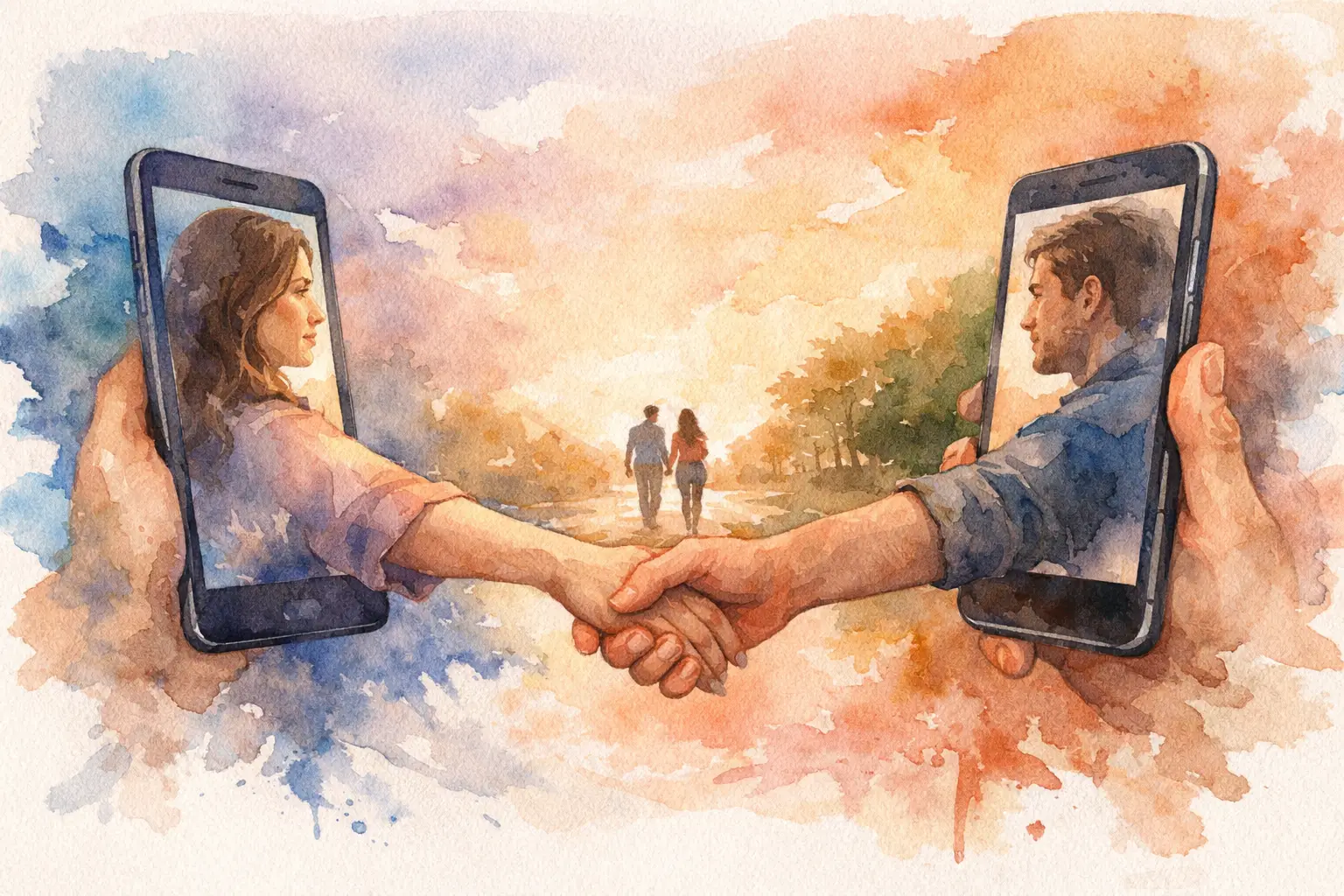
  • Why a Privacy First Dating App Feels Better

    Why a Privacy First Dating App Feels Better

    You lock your phone, blur your home on maps, and think twice before sharing your location with strangers – yet many dating apps still ask you to hand over photos, personal details, and your attention before trust has even been earned. That is exactly why the idea of a privacy first dating app hits differently. It does not ask you to perform for the internet before you have felt a real spark. It gives connection room to begin with chemistry, timing, and consent.

    For people tired of swipe culture, that shift feels less like a feature update and more like a relief. Not everyone wants to turn attraction into a public audition. Sometimes the moment that matters is the one that already happened – eye contact across a train car, a smile in a coffee shop, a conversation cut short outside a gallery. A better app should help you return to that moment without exposing more of yourself than necessary.

    What a privacy first dating app actually means

    A privacy first dating app is not just a dating app with a nicer settings page. It is built from a different belief: your personal information should not be the price of entry. Instead of pushing users to upload everything at once, it limits exposure from the start and creates ways to connect that do not rely on public profiles, endless browsing, or instant access to someone’s identity.

    That changes the emotional texture of the experience. On traditional apps, visibility is the product. The more you reveal, the more the system can circulate you. On a privacy-first model, boundaries come first. You share in stages. You connect with intention. You are not displayed to a room full of strangers just to see what sticks.

    This does not mean anonymity without accountability. In fact, the best versions do the opposite. They combine limited public exposure with clear moderation, consent-based messaging, and controls that let people participate without feeling watched. Privacy works best when it protects users while still discouraging bad behavior.

    Why swipe-based dating often feels too exposed

    Most people do not quit dating apps because they hate meeting people. They quit because the format starts to feel extractive. Every prompt asks for more. More photos, more preferences, more personal context, more availability. Soon, a private part of your life begins to feel strangely public.

    There is also the pressure to brand yourself. You are expected to compress your personality into a few polished images and a clever bio, then hope someone reads you correctly in two seconds. That is not just exhausting. It can flatten the very thing people are looking for – the feeling of being genuinely met.

    For urban daters especially, this disconnect is sharp. You already live around possibility. You notice people in bookstores, subway stations, crosswalks, rooftop lines, campus paths, and late-night corner stores. The chemistry often happens offline first. What feels missing is not more browsing. It is a respectful way to follow up on a real encounter without broadcasting your life.

    A privacy first dating app works best when it starts offline

    This is where the concept gets more interesting. A privacy first dating app can protect users not only by hiding information, but by changing the starting point of connection. Instead of asking, “Who nearby wants to chat?” it asks, “Did something meaningful already happen?”

    That one shift cuts out a lot of noise. If two people shared a moment in real life, there is already context. The attraction is not hypothetical. It is rooted in a place, a time, a glance, a conversation, or a missed chance. You are not sorting through strangers like products on a shelf. You are giving a real-world moment a second chance at magic.

    That is part of what makes a platform like Once More feel emotionally different. It is not trying to replace human chemistry with profile optimization. It is trying to extend what already happened in the wild. No heavy performance. No endless swiping. Just a thoughtful way to say, “We crossed paths. If you felt it too, here is a respectful path back.”

    The privacy features that matter most

    Not every privacy claim means much. Some apps use the language of safety while still encouraging oversharing. What matters is whether the product design truly limits exposure.

    First, users should not be forced into public-facing self-display. If the app can work without profile photos, detailed bios, or searchable identity markers, that is a meaningful difference. It reduces judgment, impersonation risks, and the pressure to package yourself.

    Second, consent needs to be active, not implied. A strong system makes communication mutual. One person can express interest, but the other person still controls whether the conversation begins. That protects dignity on both sides. It also lowers the volume of unwanted messages, which is where many dating apps lose trust fast.

    Third, location should be handled with care. There is a big difference between using place as a memory of where something happened and exposing someone’s live whereabouts. A privacy-first platform can use location as context without turning it into surveillance. That distinction matters.

    Finally, moderation cannot be treated as an afterthought. Manual review, clear posting standards, and responsive abuse controls are not glamorous features, but they are often the reason an app feels safe enough to use again.

    Privacy and romance are not opposites

    Some people hear the word privacy and assume the experience will feel cold, limited, or overly cautious. But good boundaries do not kill romance. They make room for it.

    Mystery has always been part of attraction. So has restraint. When every detail is available instantly, connection can become oddly disposable. When disclosure happens gradually, the experience feels more human. You notice tone. You remember the moment. You pay attention to whether the energy is mutual.

    That does not mean less honesty. It means better pacing. The right person does not need your entire digital footprint in the first ten seconds. They need enough to recognize a shared moment and enough structure to respond safely.

    For many people, that makes the interaction feel lighter and more sincere. You are not trying to win a feed. You are simply honoring a moment that stayed with you.

    Who a privacy first dating app is really for

    This kind of app is not for everyone, and that is part of its strength. If someone wants high-volume matching, endless profile surfing, or instant access to dozens of strangers, they may find privacy-first dating too intentional. It asks for patience. It trusts real life more than algorithms.

    But for people who are tired of being reduced to photos and prompts, it can feel like exhaling. It is especially compelling for city dwellers who move through crowded spaces full of missed timing. The woman from the morning train. The guy from the stoplight. The stranger in line who looked back one more time. Those moments already carry meaning. A privacy-first approach simply gives them a respectful structure.

    It also appeals to people who care about safety without wanting to become cynical. That is a delicate balance. You want wonder, but not recklessness. You want possibility, but not exposure. The best products understand both desires at once.

    Why this model may shape the future of dating

    There is a quiet shift happening in how people think about digital connection. More users are questioning whether visibility should always come first. More of them want tools that support real life instead of replacing it. In dating, that change feels overdue.

    A privacy first dating app points toward a healthier model: less performance, more presence; less broadcasting, more consent; less fantasy, more actual human context. It does not pretend technology can manufacture chemistry. It simply helps people act on the chemistry that already appeared.

    That is a more hopeful vision of dating tech. Not louder. Not more addictive. Just more aligned with how meaningful encounters actually happen.

    If a moment in the real world has ever stayed with you longer than it should have, you already understand the appeal. Privacy is not a wall around connection. Done well, it is the reason connection feels safe enough to begin.

  • Why a Real Life Connection App Works

    Why a Real Life Connection App Works

    You know the moment. The train doors open, someone looks back, and then the city swallows both of you in opposite directions. Or you share a laugh with someone in line for coffee, mean to say one more thing, and the timing slips. A real life connection app exists for exactly that kind of unfinished story – not to replace chemistry, but to give it a second chance.

    That distinction matters more than most apps admit. Plenty of platforms promise connection, but they begin from a screen. You sort strangers by photos, bios, angles, and one-line performances. The whole system asks you to judge before you feel anything real. A real life connection app flips that logic. It starts with an actual moment – eye contact on a subway platform, a brief conversation at a bookstore, the stranger who helped you pick up dropped papers at a crosswalk. Something human happened first. The app comes after.

    What makes a real life connection app different

    The difference is not just aesthetic. It changes the emotional stakes and the quality of interaction.

    Traditional dating and social apps are built around availability. They show you people who are open to meeting, then ask you to create interest through presentation. A real life connection app is built around recognition. You are not looking for anyone. You are trying to find that person. The one from that café, that park, that concert, that rainy street corner where something small but unforgettable passed between you.

    This changes behavior in a useful way. People tend to be less performative when they are reconnecting around a real event instead of marketing themselves to a feed. The starting point is shared reality, not self-branding. That can feel softer, more sincere, and oddly more grounded, even when the reason for reconnecting is romantic.

    It also creates a broader use case than dating alone. The same place-and-moment structure can help someone reconnect with an old classmate spotted across a station, find the owner of a lost wallet, or locate a person from an event before the chance disappears. The thread running through all of it is the same: something happened in real life, and you want a respectful way to continue it.

    Why missed encounters hit so hard

    Cities are full of almosts. That is part of their beauty and part of their ache.

    When you move through a crowded place, you are constantly crossing paths with people you will never see again. Most of those moments pass without weight. But every so often, one lands. Maybe it is attraction. Maybe familiarity. Maybe a strange sense that you were in the right place at the right time and should have stayed there five seconds longer.

    That feeling sticks because it is specific. You are not grieving an abstract possibility. You are replaying a real exchange, however brief. In a culture tired of endless browsing and shallow chat, that specificity feels rare. It carries more charge than a hundred cold matches because it was anchored in body language, atmosphere, timing, and instinct – all the things that are hard to fake.

    A real life connection app works because it respects that emotional truth instead of flattening it. It says your missed moment was not trivial just because it was short.

    How the experience should feel

    If this kind of app is going to earn trust, it cannot feel invasive or chaotic. Romance is only romantic when boundaries are clear.

    The best version of a real life connection app feels intentional from the first tap. You mark the place and moment that mattered. You describe the encounter with enough detail to be recognizable, without exposing more than necessary. You wait for mutual recognition rather than forcing access to someone who did not ask for it. Consent is not a side feature here. It is the whole reason this model can stay human.

    Privacy matters just as much. Location-based features can easily cross into discomfort if they are too precise or too public. A thoughtful app keeps users in control, limits what is revealed, and creates communication only when both sides opt in. That balance is what turns a dreamy idea into something people can actually use.

    Manual review also matters more than many users realize. A space built around missed encounters needs active care. Without it, it can attract spam, harassment, or posts that do not belong there. With it, the app feels calmer, safer, and more believable. That kind of trust is not glamorous, but it is part of the magic.

    Real chemistry beats curated profiles

    There is a reason so many people feel burned out by swipe culture. It trains you to think abundance equals possibility, when often it just creates noise.

    Curated profiles reward a very specific kind of person: photogenic, fast with words, good at self-packaging, emotionally available at the exact moment you happen to scroll by. Real life does not work that way. Sometimes someone is magnetic because of the way they noticed your dog, or because they looked up from their book at the exact right second, or because the conversation felt easy before either of you had time to perform.

    A real life connection app preserves that original spark. It does not ask you to prove the moment was valid by turning it into a polished profile. It simply gives you a path back to it.

    That does not mean this format is perfect for everyone. If you want unlimited browsing, constant activity, and quick validation, it may feel slower. If you live for chance, nuance, and a sense that connection should mean something before it becomes a conversation, it can feel like breathing room.

    A real life connection app needs more than romance

    Romance may be the headline, but utility gives a platform staying power.

    People do not only lose chances with attractive strangers. They lose track of old friends, former classmates, people they vaguely recognize from another chapter of life. They misplace bags, keys, notebooks, and hope the right person might see a post tied to a place they were just in. When an app supports these adjacent moments, it starts to become part of daily city life rather than a niche fantasy.

    That is where a platform like Once More feels especially current. The idea is dreamy, yes, but the structure is practical. A geo-tagged post tied to a real place and time can serve a romantic miss, a community need, or a simple human follow-up. The emotional promise is a second chance at magic. The functional promise is that there is finally a respectful tool for what real life leaves unfinished.

    Who this kind of app is really for

    Not everyone wants fate with push notifications. But a lot of people want less theater and more truth.

    This kind of app fits people who are already paying attention to the world around them. The ones who notice a glance across the train car, remember the person from the record shop, or still think about the stranger from the red light who smiled from the next lane. They are mobile-first, yes, but not screen-first. They want technology to extend life, not stand in for it.

    It also fits people who care about pacing. There is something refreshing about an app that starts after a moment instead of before one. You are not trapped in endless pre-conversation. You are following a thread that already exists.

    Still, there is a trade-off. Because the model depends on real-world timing and overlap, success can vary by city, density, and adoption. In a major urban area, place-based reconnection makes immediate sense. In a smaller or more car-dependent setting, it may feel less active. That is not a flaw so much as a reality of how serendipity scales.

    Why this category matters now

    People are not rejecting technology. They are rejecting what too much technology has done to intimacy.

    There is a growing appetite for tools that feel more grounded, more private, and less exhausting. A real life connection app answers that mood without asking people to give up convenience. It keeps the phone in the story, but puts the human moment back at the center.

    That is why this category has real staying power. It speaks to a quiet frustration a lot of people share: we have more ways to reach each other than ever, yet fewer ways to honor the moments that actually move us. The missed glance. The interrupted conversation. The person you were meant to talk to for two more minutes.

    Some encounters are supposed to pass. That is part of being alive in a city. But not all of them. And when a thoughtful app can power up your serendipity without compromising privacy or consent, it offers something rare – not more noise, just one honest chance to say, I think we crossed paths for a reason.

  • A Better Alternative to Dating Apps

    A Better Alternative to Dating Apps

    You know the feeling. Someone looks up from their coffee, you both smile for half a second, and then the train doors close. Or you end up next to the same person in the bookstore twice, notice the same novel in their hand, and still say nothing. That ache afterward is exactly why so many people start searching for an alternative to dating apps – not because they have given up on meeting someone, but because they want something that feels more real.

    For a lot of people, dating apps are not failing because they are digital. They are failing because they flatten attraction into a performance. You are asked to sell yourself before anyone has heard your laugh, seen your mannerisms, or felt the strange electricity of being in the same place at the same time. The result is efficient, maybe, but often emotionally thin.

    A real alternative should not just replace one app with another app that looks slightly softer or uses nicer colors. It should change the starting point. Instead of beginning with a polished profile and endless browsing, it should begin with an actual moment. Eye contact on a sidewalk. A conversation that got interrupted. A person you noticed at a concert and never forgot. That shift matters more than any new feature ever could.

    What makes an alternative to dating apps feel different

    Most traditional dating platforms are built around abundance. More profiles, more swipes, more messages, more options waiting behind the next refresh. That model keeps people active, but it can also make connection feel disposable. When there is always another face coming in two seconds, curiosity gets replaced by sorting.

    A stronger alternative to dating apps works from scarcity in the best possible way. It starts with one person, one place, one encounter that already meant something to you. That does not make it less modern. It makes it more honest. You are not choosing from a catalog. You are honoring a moment that already had chemistry.

    That difference changes behavior. People tend to be more intentional when they are trying to reconnect with someone they genuinely noticed in real life. They are usually less interested in playing a numbers game and more interested in whether that one moment could become something more.

    Why swipe culture leaves people cold

    Swipe culture promises convenience, but convenience is not always the same as compatibility. When attraction is filtered through photos, short bios, and instant judgments, people often end up making decisions based on what is easiest to measure rather than what they actually respond to in person.

    Chemistry rarely behaves like a checklist. Sometimes it is the way someone speaks to a barista. Sometimes it is calm eye contact in a crowded station. Sometimes it is the fact that you felt oddly safe near them for no logical reason. These things are difficult to package in a profile, and even harder to rank.

    There is also the fatigue factor. Many users are not against technology at all. They are simply tired of performing. Tired of writing bios that sound clever but not too clever. Tired of choosing photos that look effortless but took twenty tries. Tired of conversations that begin fast and evaporate faster. What they want is not less connection. They want less theater.

    The best alternative to dating apps starts offline

    If you are looking for something better, the clearest signal is this: does it extend real life, or replace it?

    The most compelling alternative is one that begins with the world you are already living in. Your neighborhood coffee shop. Your commute. The street fair you wandered through on Sunday. The person you passed twice in the same week and cannot stop thinking about. That kind of platform does not ask you to manufacture desire from a screen. It gives you a respectful way to follow up on something that already happened.

    This is where location-based reconnection becomes powerful. Instead of swiping through strangers with no context, you can mark the place and time where an encounter happened and leave space for destiny to do a little more work. It feels romantic because it is. But it is also practical. Context matters. A shared place is often the first clue that two lives may already move through the same rhythm.

    One app built around this idea, Once More, offers a way to reconnect after missed encounters in public without relying on profile photos, bios, or swipe browsing. That approach feels refreshingly human because the spark does not begin on the platform. The platform simply gives the moment a second chance.

    Privacy and consent are not mood killers

    Romance gets stronger, not weaker, when boundaries are clear.

    One reason many people hesitate to pursue missed connections is that they do not want to cross a line. That hesitation is healthy. Any real alternative to dating apps needs to protect both curiosity and consent. If a platform encourages respectful reconnection without exposing personal information too early, it creates a safer kind of possibility.

    This matters especially in cities, where beautiful moments happen quickly and anonymity is part of daily life. You may want to reach out to someone you noticed on the subway, but you do not want to stalk them across platforms or guess their identity from fragments. A better system allows mutual interest to reveal itself gradually, with privacy safeguards built in.

    That is one of the quiet advantages of place-based, consent-driven tools. They preserve mystery without sacrificing safety. You can acknowledge a moment without forcing access. You can leave a door open without pushing it.

    Who this works best for

    Not every person wants the same path to connection. If you love fast chatting, broad options, and highly filtered search, classic dating apps may still suit you. There is no point pretending otherwise.

    But if you are the kind of person who remembers a stranger because of the way they smiled at the corner crosswalk, this model will probably make immediate emotional sense. It works especially well for people who trust in in-person chemistry more than curated self-branding. It also fits city life surprisingly well, because urban routines create repeated but fragile proximity. We pass each other constantly. Timing is the hard part.

    It can even serve people whose goals are broader than romance. A missed encounter is still a human encounter. Maybe you are trying to reconnect with an old classmate you spotted in passing. Maybe you are hoping to recover something lost through a local community post. The common thread is not dating. It is meaningful reconnection.

    How to choose an alternative to dating apps wisely

    If you are considering a different way to meet people, pay attention to what the product rewards.

    Does it reward appearance-first behavior, or does it create room for context and presence? Does it encourage volume, or intention? Does it make you feel like you are shopping, or like you are following a real thread from your own life?

    Also look at how the platform handles moderation, reporting, and consent. A dreamy idea needs operational backbone. If an app talks beautifully about fate but is vague about privacy, that is not romantic. That is reckless. The sweet spot is a product that believes in serendipity and also takes responsibility seriously.

    Finally, ask yourself a simpler question. After using it, do you feel more like yourself or more like a profile? The right alternative should make you feel closer to your real instincts, not farther from them.

    A quieter, braver way to meet someone

    There is something deeply hopeful about choosing a path that trusts the world outside your phone. Not because technology is the enemy, but because the best technology can honor what already happened instead of trying to manufacture intimacy from scratch.

    The right alternative to dating apps does not ask you to become more marketable. It asks you to pay better attention. To trust the glance that lingered. To remember the person from the rainy platform, the late-night diner, the museum bench, the traffic light. To believe that not every missed moment has to stay missed.

    Sometimes all you really want is a second chance at magic, handled with care. And sometimes that is enough to change the whole story.

  • Missed Connection App for Real-Life Chemistry

    Missed Connection App for Real-Life Chemistry

    You know the feeling. The train doors close, the light turns green, the coffee order is called, and someone who felt strangely familiar is suddenly gone. A missed connection app exists for exactly that moment – when something real happened in the real world, but the timing failed you.

    That is the whole difference. This kind of app is not built to manufacture attraction from a lineup of polished profiles. It is built to power up your serendipity after a glance across a bookstore aisle, a conversation cut short at a bar, or the person who helped you with your suitcase and disappeared into the crowd before you could ask their name.

    What a missed connection app actually does

    At its best, a missed connection app turns a fleeting encounter into a respectful second chance. You tag the place, the time, and the details that only the right person would recognize. Maybe it was a rainy Tuesday on the downtown platform. Maybe they were wearing a green jacket and laughing about a delayed train. Maybe you were the one with the red tote bag and the nerves.

    The point is not to broadcast your life to strangers. The point is to create a small, specific signal tied to a real-world moment. If the other person was there and is open to reconnecting, they can respond through the app rather than through public comments, invasive searches, or awkward guesswork.

    That difference matters. A place-based reconnection tool starts with in-person chemistry, not digital performance. It gives the moment a frame without turning people into products.

    Why the missed connection app idea feels different from dating apps

    Most dating apps ask you to shop. Swipe left, swipe right, compare, filter, assess. The emotional rhythm is fast, repetitive, and often weirdly detached from how attraction works in actual life. You are making decisions about people before you have shared air, eye contact, timing, or context.

    A missed connection app flips that logic. The spark has already happened. The question is not, Would I be interested in this profile? The question is, Was that moment mutual?

    That creates a completely different emotional texture. It feels more intentional, more grounded, and honestly, more human. You are not browsing strangers from your couch. You are trying to reconnect with someone whose presence landed on you in a real place at a real time.

    Of course, that also means the pool is smaller. A missed connection app will never offer the endless inventory of a mainstream dating platform, and that is part of the trade-off. It is not designed for quantity. It is designed for resonance.

    How a missed connection app works in practice

    The best versions are simple. You open the app, choose the location, add the time window, and write a short post describing the encounter. A good post gives enough detail to be recognizable without revealing private information. You mention the setting and the moment, not someone’s full identity.

    If there is a match, communication should happen inside the app first. That protects both people and gives each side room to decide whether they actually want to continue. Consent is not a footnote here. It is the whole structure that keeps romance from turning into pressure.

    Some apps also support adjacent use cases that fit naturally with place-based community behavior. The same logic that helps you reconnect with the person from the farmer’s market can help you find an old classmate from your school days or recover a lost wallet left behind at a cafe. Different emotional stakes, same core idea: a meaningful moment tied to a place deserves a second chance.

    The quiet power of privacy-first design

    Romance gets the headlines, but privacy is what makes this category credible.

    A good missed connection app should not encourage users to post phone numbers, full names, social handles, or anything that invites unwanted contact outside the platform. It should review content, keep messages consent-based, and let users control how and when they engage. Those features may sound unglamorous, but they are what preserve the magic.

    Without boundaries, a reconnection app stops feeling hopeful and starts feeling risky. With the right boundaries, it becomes something much rarer – a way to honor attraction without violating anyone’s comfort.

    This is where thoughtful design matters more than hype. Removing profile photos and swipe mechanics can seem counterintuitive in a market trained to lead with appearance. But for many people, that is exactly the relief. It shifts the focus back to presence, memory, timing, and the little details that made the encounter matter in the first place.

    Who a missed connection app is really for

    This format makes immediate sense in cities. If you move through trains, sidewalks, coffee shops, campuses, galleries, grocery lines, and late-night food spots, you already know how many stories begin and end in passing. Urban life is crowded with almosts.

    It is especially appealing to people who are tired of swipe fatigue but not tired of hope. If you still believe chemistry can happen before usernames, this model will feel less like a game and more like a continuation of normal life.

    That said, it is not only for romantics. Some users want to reconnect with old friends they lost touch with. Others need help locating a lost item and know exactly where the story began. A place-based community app can hold all of that, as long as the experience stays clear and respectful.

    How to write a post someone can actually recognize

    This is where many people overdo it. They either write something so vague that it could describe anyone, or so specific that it crosses a line.

    The sweet spot is memory, not surveillance. Mention what happened, where it happened, and what made the moment distinct. Keep the tone warm and direct. “You helped me pick up the books I dropped outside the station around 6:15” is useful. “I know exactly where you were sitting and what route you took after” is not.

    You also do not need to perform. The best posts sound like a real person replaying a real moment, not a screenwriter pitching a fantasy. If the connection had electricity, trust that. You do not need to decorate it to death.

    Why timing changes everything

    The value of a missed connection app is highest right after the moment happens. Memory is fresh, details are vivid, and the emotional charge is still intact. Waiting a week can still work, but the odds shift. Cities move fast. So do people.

    That is why good location-based apps often feel almost urgent in the best sense. They give you a window to act while the possibility is still warm. Not frantic. Just timely.

    There is also a subtle emotional benefit here. Posting soon can quiet the loop in your head. Instead of replaying what you should have said, you have done the only thing still available – you made the moment findable.

    What to look for in a missed connection app

    Not all apps built around reconnection are doing the same job. Some lean too heavily into dating conventions and lose the spirit of the idea. Others feel so open-ended that users cannot tell what belongs there.

    The strongest experience usually includes location-based posting, clear moderation, private in-app replies, and a community standard built around consent. It should feel easy to use in a small emotional moment, not like homework. It should also make room for both romance and everyday human reconnection without turning either into chaos.

    That is part of what makes Once More compelling. It treats serendipity seriously. It gives people a second chance at magic without pretending safety and structure are optional.

    The real promise of a missed connection app

    A missed connection app cannot guarantee fate. Not every look means something. Not every post gets answered. Sometimes the moment was only yours, and that has to be okay too.

    But the promise is still powerful. It offers a middle path between silence and overreach. Between letting a meaningful encounter disappear and chasing it in ways that feel invasive. It says: if there was something there, there can be a respectful way to see.

    And maybe that is why this idea keeps pulling people in. It makes room for modern city life to feel romantic again, not because technology replaces human connection, but because it gives the real thing one more chance to continue.

    If you have ever walked away from a stranger and felt the moment keep glowing for blocks afterward, you already understand the appeal. Sometimes all you need is a place, a time, and a little courage to leave the door open.

  • How to Reconnect With Someone You Saw in Public

    How to Reconnect With Someone You Saw in Public

    You got off the train and realized it a beat too late. The person with the kind eyes, the shared half-smile, the tiny moment that felt bigger than it should have – gone. No name, no number, no easy way back. If you’re wondering how to reconnect with someone you saw in public, the answer is part timing, part tact, and part knowing where real-life chemistry can still find a second chance.

    Some missed encounters are just that – a passing moment. But others stay with you because something real happened, even if it was brief. Maybe you locked eyes in a coffee shop line, exchanged a few words at a bookstore, or kept noticing each other across a delayed subway platform. The challenge is not just finding them again. It’s doing it in a way that feels respectful, grounded, and safe for everyone involved.

    Why reconnecting after a public encounter feels so hard

    The modern internet gives the illusion that anyone is searchable. In reality, most public encounters leave you with fragments, not facts. A green jacket. A stop on the L train. A tote bag from a museum. That’s not much to work with, and trying to force an identification through social platforms can cross a line fast.

    That’s why this kind of reconnection sits in a delicate place. It lives between romance and restraint. You want to honor the spark without turning a stranger into a puzzle to solve. The right approach keeps that balance. It says, “I noticed something meaningful,” without saying, “I’m entitled to find you.”

    That distinction matters. Real connection needs consent. Mystery can be beautiful. Pressure is not.

    How to reconnect with someone you saw in public without crossing boundaries

    Start with the details you actually know. Not the fantasy version, not the story you’ve built since the moment passed. Think clearly about the time, place, and context. Were you at a café around 8:30 a.m. on Tuesday? Did you both get off at the same station? Did you speak, or was it just eye contact? The more specific your memory is, the more likely your attempt will feel genuine rather than broad and intrusive.

    Specificity also protects other people. A vague post like “looking for the cute person in Brooklyn” casts too wide a net and invites the wrong kind of attention. A thoughtful reconnection attempt should describe the shared moment, not expose private details. Focus on what happened between you, not on identifying traits that could make someone feel watched.

    Tone matters just as much as detail. If you do put out a message, keep it light, honest, and easy to ignore. Something simple works best: you noticed a moment, you’re putting this out there on the off chance they felt it too, and there is no pressure to respond. That kind of language leaves room for mutual choice, which is the whole point.

    The methods that make sense, and the ones that usually don’t

    There are a few realistic paths if you want to reconnect after seeing someone in public. Returning to the same place can work if it’s part of both your routines. If you saw them at a neighborhood café on a weekday morning, showing up again around the same time is natural. If you only saw them once at a packed concert or airport terminal, trying to recreate the moment is far less likely to lead anywhere.

    You can also ask around carefully if there’s a genuine shared setting. If the encounter happened at a recurring class, community event, or local venue where people know each other, a discreet question may be appropriate. But there’s a difference between “Do you know who was at the ceramics workshop last Thursday?” and pushing staff or strangers to identify someone for you. The second one creates discomfort fast.

    What usually doesn’t work is trying to reverse-engineer a stranger’s identity through social media. Searching location tags for faces, posting screenshots, or using crowdsourced detective work may feel clever in the moment, but it often lands as invasive. Even if your intentions are sweet, the method can undo that sweetness completely.

    A better path is to use tools built for this exact kind of missed connection – tools that center place, timing, and mutual opt-in instead of surveillance. That’s where a location-based platform can make the whole thing feel more human.

    A better way to reconnect with someone you saw in public

    When the moment was real but the information was missing, location-based reconnection gives serendipity a practical shape. Instead of hunting for a person, you tag the place and moment where your paths crossed. You describe the encounter with care. Then the door stays open if the other person is also looking back on that same instant.

    That’s the beauty of an app like Once More. It extends offline chemistry rather than replacing it. You’re not browsing profiles and trying to manufacture interest from photos and bios. You’re responding to something that already happened in the real world.

    This approach changes the emotional texture entirely. It feels less performative and more honest. You’re not saying, “Pick me from a crowd.” You’re saying, “We shared something. If you felt it too, here’s a respectful way to find me.” For people tired of swipe culture and all its noise, that can feel like oxygen.

    It also solves the privacy problem in a much cleaner way. You’re not exposing personal information, and you’re not demanding access to someone’s identity. The other person only responds if they want to. That mutual consent is what turns a romantic idea into a responsible one.

    What to say in your post or message

    The best reconnection messages are vivid without being intense. Mention the place, approximate time, and one detail from the shared moment. If you spoke, reference the conversation. If you didn’t, acknowledge that lightly. The goal is recognition, not persuasion.

    You don’t need a dramatic monologue. In fact, too much emotion can make a stranger feel like they’re carrying a story they never agreed to join. Keep your message warm and grounded. Think less “I can’t stop thinking about you” and more “We shared a moment that felt worth honoring.”

    A good message also avoids loaded language. Skip anything that sounds possessive, overly personal, or overly certain about what the other person felt. You can believe in fate without speaking for someone else. That balance is part of what makes the attempt charming instead of overwhelming.

    It depends on the encounter

    Not every public moment should become a reconnection attempt. Sometimes attraction is mutual and obvious. Sometimes it’s only possible that it was. If there was a clear smile, conversation, repeated eye contact, or a small but unmistakable sense of shared awareness, reaching out can make sense.

    If the person seemed uncomfortable, distracted, cornered, or simply uninterested, let the moment stay where it belongs. The hardest truth here is also the kindest one: not every almost-story needs a sequel.

    Context matters too. A flirtatious glance at a street fair is different from noticing someone who was at work, in uniform, or in a setting where they had to be polite. Reconnecting should come from mutual atmosphere, not from a power imbalance or forced proximity.

    If they respond, keep the magic grounded

    The second chance is not the finish line. It’s the beginning of a normal, respectful conversation. If the person replies, keep your energy calm. Confirm the shared moment, express that you’re glad they saw the post, and move naturally into getting to know each other.

    This is where many people overcorrect. They’ve built up the missed encounter for days or weeks, so the reunion feels huge. But the healthiest version of this story stays light at first. Treat it like what it is – two strangers who felt a spark and now have an opening to explore it.

    And if they don’t respond, let that be complete. Sometimes the magic was in the moment itself. Sometimes the gift is knowing you honored it without forcing it. That kind of restraint is not failure. It’s maturity, and it keeps hope from becoming harm.

    How to reconnect with someone you saw in public and still feel like yourself

    The best reconnections don’t come from panic. They come from presence. You trust what you felt, you make one thoughtful move, and you leave room for life to answer or not. That’s what keeps the whole thing romantic instead of desperate.

    There is something beautiful about refusing to let every meaningful encounter disappear just because the world moved too fast. A city can feel anonymous until one glance on a train platform changes the temperature of the day. A crowded café can feel ordinary until one conversation lingers long after the cup is empty.

    If you want to reconnect, do it with clarity, softness, and boundaries intact. Power up your serendipity, but don’t chase it so hard that it stops feeling like fate. Sometimes a second chance at magic begins with nothing more than naming the place, honoring the moment, and giving it one honest place to return.

  • Top 10 Tips for Making Serendipitous Connections in Real Life

    Top 10 Tips for Making Serendipitous Connections in Real Life

    A spark of eye contact in a bustling Tokyo station. A fleeting smile exchanged on a street in New York. A forgotten scarf and a curious message pinned to a café noticeboard in London. These are the moments that invite serendipity – little surprises that hint at something more, where chance brushes up against possibility.

    It is easy to let these moments pass – lost between notifications or packed schedules. Yet, some of the deepest and most memorable relationships begin with an unplanned encounter. The value of these unscripted meetings shines brightest away from screens: a shared laugh, a warm glance, a whisper of connection. Digital tools can be a gentle nudge, but it’s real-world presence that brings life’s high-definition magic into focus. If you’re ready to power up your serendipity and invite more chance meetings into your days, you are already opening the door. Curious how tech and everyday life combine? Take a moment to discover how Once More powers up your serendipity.

    Introduction to Serendipitous Connections

    What is a serendipitous connection?

    A serendipitous connection is a chance meeting with meaning – a stranger who becomes memorable, a conversation that lingers well after it ends, or a long-lost friend who appears just when you were thinking of them. Sometimes these moments are gentle: a shared umbrella during sudden rain, a laugh sparked while waiting for a train, or the sudden recognition of someone from your past at a new city cafe.

    Other times, serendipitous moments arrive as missed connections – a brush of fate that leaves you wondering what if. The beauty lies in their unpredictability and the hint that some moments are just waiting for recognition.

    Why real-world connections matter

    Our world is flooded with instant messages and digital updates. Yet, genuine connection – what makes us feel truly seen and alive – often hides in the subtle sparks of everyday life. Real life in a digital world is about savoring these high-definition encounters: the unguarded smile, a passing gesture of kindness, the comforting cadence of a familiar voice. These fleeting moments hold more meaning than endless scrolling ever could.

    How serendipity enriches daily life

    Serendipity is about noticing – and welcoming – the unexpected good hidden in everyday routine. It’s picking up on the clues around you, being open to a detour, or answering a sudden urge to attend an event. These bold or hushed moments add zest to the day. The more open you are to the unknown, the more these moments seem to find you.

    Please remember: These tips can increase your chances of genuine connections, but there are no guarantees. Let your comfort and safety lead the way with each interaction.

    Changing Your Mindset to Invite Serendipity

    Serendipity starts on the inside. Opening your mind to life’s surprises helps you spot opportunities that others might overlook.

    • Believe in the unexpected:
      Approach each day expecting that something special could happen. Jotting down daily moments of good luck, kindness, or coincidence can train your mind to notice subtle signals or lingering chances from earlier in your day.
    • Embrace vulnerability and openness:
      Fear of rejection keeps many from saying hello or acting on an impulse. Small risks – like starting a conversation or smiling first – invite connection. Let yourself be a little uncertain or awkward; it’s a sign you’re present and genuine.
    • See the world through kinder attention and childlike curiosity:
      Remember how children see wonder everywhere? Carry that curiosity into your routine: look up, aim for eye contact, and treat ordinary moments as possible gateways to new stories.

    Shifting your mindset puts you in the right place, mentally, to receive what the world offers unexpectedly.

    Daily Habits That Spark Chance Encounters

    Inviting more serendipitous moments into your routine doesn’t require a dramatic change. Start small with these daily actions:

    • Say yes more often
      Challenge yourself to accept invitations, attend new events, or try solo outings. A neighborhood festival, an open mic at a café, or a local walking tour can introduce you to new faces (and new stories).
    • Turn off your phone to truly observe your surroundings
      When you’re device-free, you notice more – like subtle cues that someone else wants to connect. Letting your attention wander is the first step to the kind of coincidence that brings people together.
    • Explore new routes and local spots
      Taking a different street, sitting somewhere new, or shopping in a fresh part of town brings you into contact with people you’d never otherwise meet. Even the simple choice to walk instead of taking the train can spark something new.
    • Follow your interests to find kindred spirits
      Your hobbies are magnets for people who “get” you. Join a group that matches your favorite pastime – whether it’s a running club, art class, or record store event. These spaces are fertile ground for friendships and chance meetings.
    • Leave ‘white space’ in your schedule
      Allow pockets of time with no fixed plans. Detours, spontaneous conversations, or lingering a bit longer somewhere often open the way for surprise connections.

    If you enjoy the nudge of tech without losing life’s spontaneity, download the Once More app to start connecting. It is designed to help you reconnect with people or items you missed – always with respect for your privacy and genuine interaction in mind.

    Conversation Starters and Bold Moves to Make Connections

    Breaking the ice takes a little courage, but small friendly gestures are powerful.

    • Say hello with a smile or light compliment
      Noticing someone’s unique bag or colorful scarf? A simple “Hi” or a quick compliment can be the key to starting a conversation. Even silent acknowledgment – a warm smile – can be a gentle invitation.
    • Ask curious, specific questions beyond small talk
      Instead of “How’s your day?”, try “Is this your favorite spot in the city?” or “Have you read anything good lately?” More specific questions feel personal and open the door to better stories.
    • Listen deeply – offer generous attention
      Hold eye contact. Let your body language show you’re interested. Echoing or gently expanding on what someone says invites more depth (and makes you memorable).
    • Share moments from your own life
      “I once thought I lost my favorite book, and years later, I stumbled upon it in a secondhand shop across town.” Little anecdotes spark shared laughter and show that you’re open to connection.
    • Prioritize consent and respect boundaries
      Watch for signals that someone wants to connect – or not. When you sense hesitation, gracefully bow out. True connection only happens with mutual willingness.

    Have you ever replayed a “missed connection” moment in your mind? Sometimes, the boldest move is simply giving fate another nudge – a polite message, a posted clue, or using a digital platform made for turning “maybe” into “let’s see.”

    Common Pitfalls to Avoid on Your Serendipity Journey

    Want more chances for connection? Avoiding a few common traps helps keep the door open for luck and authenticity:

    1. Freezing up due to awkwardness Awkward silences or fumbled words are normal. Embrace them as part of being real and present – they make stories better later.
    2. Being glued to your screen in social settings Every time you choose a screen over a scene, you lower your chance for unplanned meetings. Try setting your phone aside in cafes or on transit.
    3. Filling every moment with tasks Overscheduling leaves no wiggle room for surprise encounters. Protect a little free time – and let at least one weekly outing be agenda-free.
    4. Disregarding comfort or intuition Always trust your instincts. Meet new contacts in public, safe spaces. Leave if something feels wrong.
    5. Not respecting privacy and consent Never share personal stories or photos of others without their permission. Respecting boundaries makes everyone feel safe. To learn more about this, read how Once More protects your data and learn more about privacy and connection with consent.

    Remember: It is not about chasing connection, but being available to it. Your role is to open the window – what enters is up to both chance and choice.

    Mindset vs. Action: How Inner Shifts and Small Steps Combine

    Wondering if you should focus more on how you think or what you do? Both are essential. Here’s how they work together:

    CategoryExample ApproachesResulting Benefit
    MindsetExpect surprises, let go of fear, stay curiousNotice more opportunities for connection
    ActionsTry new events, greet strangers, explore different paths, look upMultiply chances to meet and interact

    Are you tending to your mindset, your habits, or experimenting with both? When you blend a welcoming outlook with simple actions, you invite more moments worth remembering.

    Real-Life Examples of Serendipitous Connections

    Stories show how ordinary days become extraordinary thanks to openness and a bit of help from serendipity.

    Reunion after a missed connection
    Tomoko noticed someone reading her favorite author’s book on the Tokyo subway. Too shy to speak, she remembered his unique watch and used these details in a digital tag. Days later, he responded – he’d noticed her too. They met again near that same station, sharing stories about their reading lists and forging a genuine bond from what was almost just a fleeting moment.

    Lost item found by the community spirit
    In London, Alex left a cherished scarf on a park bench. He posted a description in a local digital Lost & Found. Soon after, a photo popped up – a neighbor had found it and shared an image. The return of the scarf, complete with a friendly chat, restored not just a lost item but faith in community kindness.

    Finding old friends through geo-tagging memories
    Maya, living in New York, missed her classmates from Tokyo. After geo-tagging her school and year, she was amazed when another alum responded, recognizing a shared teacher from her nostalgic post. Their friendship, built on memories and a chance reconnection, brought a new sense of belonging to her city life.

    Want to make your own stories happen? You can use the dashboard to post your own descriptive tags and find missed connections, reconnecting with people or finding lost treasures in your city. The magic is in both the attempt and the outcome – and the once-lost, now-found connections are what make life sparkle.

    FAQs About Making Serendipitous Connections

    What exactly is a serendipitous connection?
    It is an unexpected meeting that feels meaningful – whether it is a conversation, a glance, or a found item that leaves you thinking, “That was lucky.”

    How does disconnecting from my phone help connect better?
    Without constant distraction, you pick up on nonverbal cues, overheard conversations, or someone looking your way. Being present invites more real interactions.

    Is saying yes to new invitations always safe or wise?
    Only when you feel comfortable. Choose social events or outings that suit your interests and trust your judgement – your safety comes first. There is never any pressure to accept if it doesn’t feel right.

    How do I start journaling to notice serendipity around me?
    Dedicate a small notebook or a section on your phone for “Daily Serendipity.” Write down anything odd, happy, or chance-driven – from a lucky seat on a train to a new acquaintance. Over time, you’ll spot patterns of luck in your life.

    Can introverts find serendipitous connections too?
    Absolutely. Many serendipitous meetings happen during solo walks, quiet hobbies, or gentle conversations at a bookshop. Authenticity matters more than outgoing behavior.

    What role does gratitude play in creating chance moments?
    Appreciating small joys makes you more receptive to new encounters. Taking a moment to feel thankful after a random kindness or meeting encourages further openness tomorrow.

    Have additional questions or stories to share? Feel free to reach out to us for questions or suggestions – we love to hear how serendipity suits your city.

    Small shifts in how you think, what you do, and how you interact can nudge open the door to life’s hidden sparks. Reconnect with courage, positivity, and a smile – you never know when your next serendipitous moment will begin.

  • The Science Behind Genuine Human Connections and Serendipity

    The Science Behind Genuine Human Connections and Serendipity

    You stand on the rush-hour platform in Shinjuku, jacket in hand, about to board the next train. Across the crowd, your eyes meet a stranger’s for just a flicker – one of those electric, out-of-time moments that feels more magical than a daily routine, as if it belongs in the world of films. Then, as suddenly as it began, it’s over. The train doors close. You both vanish into your separate lives. Hours later, that second of pure connection lingers like a dream you wish you could somehow rewind.

    Many people know this feeling – the curious ache of a missed connection, the lingering hope that destiny might offer a second try. What if you could press a rewind button on moments like these? Not to replace real life, but to power up your serendipity – with a gentle nudge from technology that helps recapture the moments when the universe seemed to say, “Pay attention – something special just happened.”

    The Once More platform overview is built on this belief. It’s not about replacing your real-life mosaic with screen time; it’s about extending the sweet spot of chances, with a blend of human wisdom, Destiny AI search engine, and the practical magic that lets you reconnect, rediscover, and reach out beyond a single fleeting moment.

    What is it about these brief encounters that leaves such a mark? Why do some glances, laughs, or missed opportunities become stories we keep replaying? Beneath these moments lies fascinating science about how serendipity shapes genuine human connection – and how mindful, respectful digital tools can help us experience more of these chances in real life.

    What Is Serendipity?

    When people talk about serendipity, they often mean lucky accidents – the kind of surprises that feel carved by fate. But there’s more to this idea than chance; at its heart, serendipity is the intersection of unpredictability, readiness, and memory.

    Memory-Making from Unplanned Encounters

    Psychologists define serendipity as an unexpected positive discovery. Maybe you bump into a long-lost friend outside a London bookshop. Or perhaps a stranger picks up your lost wallet and leaves a note at a Tokyo café so you can get it back. These “positive violations of expectation” stand out – they’re stored in your mind with extra vividness.

    Research shows that new and surprising events ramp up dopamine levels in the brain, which stamps those encounters with extra significance. Unlike everyday routines that blend together, these moments become bright markers because their sheer surprise demands attention. The out-of-the-blue magic makes serendipity impossible to forget.

    The Brain’s Pattern-Seeking Instinct

    Neuroscience helps explain why these moments feel “meant to be.” Humans are meaning-makers. The brain naturally searches for patterns, whether in music, nature, or human connections. When coincidences happen – the stranger who finds your scarf, the friend who messages just as you’re thinking of them – your mind lights up, trying to connect the dots.

    • The hippocampus stores these events under “special occasions,” remembering tiny details in vivid color.
    • Dopamine spikes fuel alertness and a feeling of reward.
    • The default mode network (DMN), key to imagination and self-reflection, fires up to replay and reinterpret these events, deepening emotional meaning.

    So when someone helps reunite you with a lost item, or you reconnect through a fleeting glance sparked by a community “Tag It” post, it’s not random luck – it’s your brain responding to a compelling story unfolding in real time.

    The Science of Genuine Human Connections

    Real connection changes you – not just emotionally but biologically. Science shows that forming bonds actually rewires your mind and body, growing resilience, optimism, and even physical health.

    Oxytocin and the Chemistry of Bonding

    At every human connection – whether a handshake or a hug – your brain releases oxytocin. Sometimes called the “cuddle hormone,” oxytocin encourages feelings of trust, safety, and warmth. Unlike the fast rush of dopamine (which rewards novelty and small wins), oxytocin builds steady, lasting bonds.

    Some highlights about how oxytocin works in relationships:

    • Face-to-face encounters flood the brain with oxytocin, priming people for openness and trust, even if the encounter is fleeting.
    • Shared experiences – finding a friend, celebrating a lost item found, or connecting over a memory from school – tend to amplify oxytocin effects, increasing the story’s emotional reach.
    • Small gestures, like safely delivering a found wallet or sending a heartfelt “missed connection” message, boost happiness for both giver and receiver.

    These effects only blossom in an environment of consent and respect. Trust grows where people feel safe. That’s why Once More’s core principle is Connection with Consent – users control every step, privacy is paramount, and no personal contact info is revealed without clear agreement from both sides.

    To learn how user safety is protected, review the privacy and data protection guidelines.

    Meaning-Making: How the Brain Weaves Significance

    The mind doesn’t just store memories – it constantly weaves them into bigger stories. When you meet someone unexpectedly (that “falling star” glance in the crowd), your brain:

    • Marks the moment as meaningful, fueling attention to the details – place, time, expression.
    • Launches into narrative mode, searching for reason or meaning (“Was it destiny? A sign?”).
    • Reacts strongly when a surprise breaks your normal routine, sticking that moment into long-term memory, where it grows in significance.

    This, scientists say, is one reason chance meetings or found items remain memorable – they break the pattern, offering a burst of novelty and hope.

    Social Pain, Rejection, and the Healing Power of Connection

    Human brains react so strongly to connection because being seen, supported, or rejected is as essential as nutrition or sleep. Studies show that social rejection triggers the brain’s pain centers, similar to a real physical injury. Loneliness, over time, can erode confidence, cognitive clarity, and even immunity.

    Fortunately, research highlights that even brief, authentic connections help buffer against loneliness:

    • Gazing at a friend’s photograph can soften the emotional response to pain.
    • Friendly greetings, or returning a found umbrella to its owner through a lost-and-found feature, raise mood and lower anxiety.
    • The simple act of being acknowledged or complemented can lift someone’s optimism for several days.

    Every encounter on Once More is built on privacy, respect, and mutual choice. Users can respond as they feel comfortable, symbolizing “Connection with Consent” – a core value for building genuine, healthy social bonds.

    For additional details on user rights and supportive practices, see our privacy and data protection guidelines.

    Why Real-Life Beats Digital Interactions

    Social media and messaging apps have made it possible to “connect” at almost any moment. But many individuals sense a gap; digital encounters often lack the spark, subtleties, and health benefits found in real, shared spaces. Actual presence makes a difference for mind, body, and soul.

    Body Language and the Magic of First Impressions

    Your brain picks up thousands of nonverbal signals during live interaction: micro-gestures, posture shifts, the sound of a laugh, the warmth of a handshake. These influence trust and attraction far more rapidly and deeply than text or emojis.

    • In-person, people are better at judging compatibility, sincerity, and intent. Research indicates you can often sense if you “click” in under 10 seconds.
    • Online, profiles, carefully staged photos, and selective sharing make first impressions less accurate, masking personality and hiding nuance.

    Shared Experiences and Brain-Deep Empathy

    Participating in activities together – sharing a table, helping someone with directions on the subway, or celebrating a shared joke – activates the brain’s empathy circuits.

    • Group activities (sports, cultural events, volunteering) fuel mutual trust and can trigger group-level oxytocin surges.
    • Even small acts – suggesting a favorite coffee spot in New York, passing salt in a London café, or cheering together at a Tokyo festival – strengthen what social scientists call “solidarity bias,” making us more likely to help and trust each other.

    Comparing Real-Life and Online Connections

    AspectOnline (Apps)Real-Life (Serendipity)
    Hormonal ResponseDopamine (quick, fleeting rush)Oxytocin (bonding, deeper trust)
    Accuracy of ImpressionsLimited; based on curated profilesFull spectrum of body language, tone
    Bond StrengthCan be fragile or surface-levelStrengthened by shared experience
    Health ImpactPossible isolationSupports mental and physical health

    Real growth happens when technology doesn’t replace these connections, but cares for them. Once More is committed to Real Life in a Digital World, offering respectful tools to extend and enhance opportunities for serendipitous, authentic interaction.

    Cultivating Serendipity Today

    Is destiny something you wait for – or is it a skill you can develop? Science leans towards the latter: people who regularly find themselves in “lucky” situations have honed certain attitudes and behaviors that make serendipity more likely.

    Nurturing a Serendipity Mindset

    Serendipity is rarely pure accident. Researchers have found that people who notice and benefit from chance encounters:

    • Step outside routines: They vary commute routes, visit new neighborhoods, and engage in new experiences.
    • Notice unusual details: They pay attention to others – expressions, gestures, forgotten items.
    • Act on hunches: They take initiative, whether by introducing themselves after an unusual exchange, posting about a lost object, or tagging a brief missed connection.

    To build a serendipity mindset, practice these daily habits:

    Serendipity Checklist

    • Try one new location each week – a park, shop, or event – outside your normal circuit.
    • Be available to surprise: Make eye contact, smile at a stranger, or ask a thoughtful question if an opportunity arises.
    • Develop real-world rituals: Take walks with friends, join local groups, or volunteer in your community. In-person routines leave longer emotional impressions.
    • Keep a serendipity journal: Jot down minor surprises or small actions you took. Over time, you’ll notice a pattern – and feel encouraged to act again.
    • Respond when fate whispers: If you regret a missed moment, consider using Once More’s “Tag It” feature – you never know who might be waiting to hear from you.
    • Refresh old connections: Geo-tag your school and year, and see if a long-lost friend is also reliving memories.

    If you want a gentle nudge, Once More’s Destiny AI search engine is designed just for these “out of time” connections. Use it to post clues – nothing that reveals private details, only what the other person would recognize. Enjoy reconnections, not intrusions.

    To join the experience and create your first tag, visit the user dashboard for posting tags. Your “falling star” moment could be the next to light up for someone else.

    Note: Once More is a platform for genuine connection and entertainment. Any information here is for educational purposes, not legal or medical advice. Communication between users is always initiated with consent and privacy in mind. Please use at your own discretion and review all safety resources before posting.

    Embracing Chance for Deeper Bonds

    Wishing for more chances is a universal human longing. Whether reaching out to a missed connection, locating a cherished item, or seeking a second episode with an old acquaintance, every small attempt widens life’s magical possibilities – a beautiful blend of fate, attention, and gentle action.

    Every Once More interaction is grounded in authenticity – no public profile pictures, no glossy bios. Instead, the process centers on real clues, mutual intent, privacy, and mutual respect. Personal information is never shared without clear mutual agreement. All posts, whether for “Lost & Found,” “Tag It,” or “Find Old Friends,” are reviewed to protect respect and discretion, ensuring that every experience retains a warm, welcoming atmosphere.

    If your city isn’t active, you are invited to request support – or perhaps join the Ambassador Program to help bring real-life magic to more places, from Tokyo to New York and London.

    Before connecting, please review our terms and disclaimers for a summary of safety and consent principles that guide the platform.

    Ready to power up your serendipity?
    Choose your “Tag It” clue, make your first connection, find an old classmate, or brighten someone’s day by returning a lost item. Your time machine is ready – the next delightful collision could be just a moment away.

    Download the app and start connecting now to open the doors to possibility.

    Destiny, community, and genuine connection are waiting. Your chance to step back into the sweet spot of all the chances life has in store may be just one tag away.

  • Understanding Human Chemistry Beyond Traditional Dating Apps

    Understanding Human Chemistry Beyond Traditional Dating Apps

    Have you ever locked eyes with a stranger on the train, felt a jolt of curiosity or connection, only to lose sight of them moments later? Maybe you spotted a familiar face at your favorite café, exchanged a knowing smile, but nerves or timing got in the way. Sometimes, that fleeting missed connection leaves you wishing for a rewind button. The magic feels unmistakable, but what is it, really – and why is it so hard to recapture in a world that seems fixated on endless swipes, profiles, and picture-perfect moments?

    For many, the search for meaningful connections can feel lonely or frustrating, especially within typical dating app experiences. It’s easy to feel let down by a digital journey that seems to skip over serendipity and the off-script resonance of real interactions. And when privacy and safety matter just as much as romance or friendship, it’s critical to find ways to connect that honor your boundaries and foster authentic encounters.

    Human chemistry is often described as magical, but there’s science (and some practical wisdom) behind that spark. If you’ve ever wondered why some chance encounters are electrifying while others fizzle, or if there’s a gentle way to find a second chance at magic without sacrificing security and autonomy, you’re not alone.

    This material is for general information only. For personal relationship advice, please consult a qualified professional.

    What Is Romantic Chemistry, Really?

    Has it ever happened to you?
    You share a brief look, joke, or even just a sense of ease with a stranger and wish you had the courage – or opportunity – to start a conversation.

    Romantic chemistry often feels otherworldly, but we rarely hear exactly what it means or why it can’t be conjured up with a profile or a photo.
    Chemistry is that invisible tug, an intuitive sense that goes beyond a checklist or a perfect smile. Yet it thrives on more than just immediate attraction.

    Beyond Physical Sparks: Why Looks Aren’t Everything

    Attraction might open the door, but memorable connections depend on much more. Ever chatted up someone who seemed your “type,” only to feel… nothing? Or maybe a casual conversation with someone you wouldn’t usually notice left you smiling for hours.

    What sets real chemistry apart:

    • An unspoken curiosity, a magnetic pull you can’t ignore
    • Genuine comfort – feeling “at home” with someone, even if you just met
    • Shared laughter or a glance that lingers
    • Noticing small things – unique gestures, the way someone listens, the inflection of their voice
    • The wish for a second chance if the opportunity passes by

    Physical cues matter, but studies suggest they’re only one piece of the puzzle.

    Emotional and Psychological Layers: Trust, Empathy, and Shared Values

    The most powerful connections grow when there’s emotional resonance. Think about those moments: a bout of laughter, a vulnerable confession, or an unexpected act of kindness. What draws us in isn’t just attraction – it’s trust, empathy, and the feeling of being “seen.”

    Ask yourself:

    • Do you feel safe being yourself – quirks, goofiness, and all?
    • Is your sense of humor appreciated, or your quiet side understood?
    • Is there mutual respect, even when you disagree?
    • Do your priorities and values harmonize, or leave room for harmony?

    When chemistry sparks both excitement and a sense of safety, that’s the sweet spot for real connection. Authenticity is the foundation – without it, even the brightest spark fades fast.

    The Science Behind Chemistry

    Chemistry might feel like magic, but there’s a lot happening beneath the surface when you “click” with someone. Understanding the science helps explain both the butterflies and the disappointments.

    Neurochemical Basis: Insights from Psychologists Like Helen Fisher

    Psychologists, including Helen Fisher, have mapped what happens inside your brain during high-voltage moments of connection. Studies suggest that several chemicals play starring roles:

    • Dopamine: Sparks anticipation and excitement, lighting up your brain’s reward center
    • Oxytocin: Supports trust and intimacy, especially after meaningful eye contact or gentle touch
    • Adrenaline: Fuels that nervous flutter or pulse-quickening rush

    These surges create the sensation of “can’t-eat, can’t-sleep” infatuation, but they’re only the start. Without deeper emotional connection, these initial fireworks usually flicker out fast.

    Evolutionary Mismatches with Modern Dating: Why Apps Can’t Capture All Subtleties

    For most of human history, romances developed through chance meetings: a glance across the market, a laugh at a festival, or a brush of hands as you reach for the same book. Today, algorithms deliver hundreds of profiles with a swipe, but this abundance can be overwhelming.

    Consider:

    • Choice overload: Endless options often cause doubt and anxiety, making it harder to commit or even remember what drew you in initially
    • Surface-level screening: Photos and cut-and-paste bios encourage split-second decisions
    • Unrealistic expectations: People may hope for perfect matches while ignoring small, everyday moments where chemistry quietly appears

    Many people end up wishing for ways to slow things down – so that serendipity has room to breathe, and real-life signals aren’t stifled by filters.

    Why Traditional Dating Apps Fall Short

    Online platforms have opened more doors, but many find themselves stuck in a cycle of swiping, small talk, and self-doubt. Where’s that feeling of magic, of possibility?

    Limits of Visual-First Attraction: How Photos Miss Emotional Chemistry

    Photos deliver the fastest impression, but real chemistry can’t be captured in pixels.

    Common effects of visual bias:

    • Snap judgments that overshadow long-term compatibility
    • Missing out on “slow-burn” connections, especially with people whose personalities truly shine in person
    • Fixation on “types,” blinding you to the unexpected
    • Great people get overlooked because of a single awkward photo, a bad lighting day, or an unrepresentative moment

    The magic of body language, subtle gestures, and shared laughter simply can’t be distilled into a digital image. Many genuine connections are lost between two screens.

    Bias and Transactional Dynamics: What Dating Apps Overlook

    A swipe-based model often treats connections as transactions – efficient, but shallow:

    • Rapid matching based solely on appearance or a handful of interests
    • Pressure to be witty, funny, or impressive from message number one
    • Energy and personality cues vanish when limited to text alone

    If you’re shy, sensitive, or uncomfortable “selling yourself,” this can be especially discouraging. Authenticity is easily buried beneath the pressure to perform, and early rejections feel more personal.

    Privacy and discretion can also feel out of reach. Sharing personal information or even your story feels risky when instant screenshots and quick unmatches are always possible. Consent is critical, but not always respected in these environments.

    Building Deeper Chemistry Offline

    Building meaningful connections isn’t just about luck – it’s about mindset, presence, and the courage to be a little bit vulnerable.

    Key Compatibility Factors: Vulnerability, Mutual Giving, Emotional Attunement

    Lasting chemistry tends to follow a few patterns:

    • Vulnerability: Openness to sharing a little of your story, even awkward parts, invites real intimacy
    • Mutual giving: Both people participate in listening, sharing, and showing interest – no one is always chasing or always pursued
    • Emotional attunement: Checking in with each other’s moods, worries, or triumphs – feeling understood and cared for

    A “Human Magnet” dynamic – where one always gives and the other always takes – often fizzles, while reciprocal generosity grows connection.

    Practical Ways to Foster Chemistry

    Practical steps to spark connection offline or in real life-enhanced platforms:

    • Make sustained eye contact and offer a genuine smile. These simple acts create a welcoming space for interaction.
    • Notice and comment on unique details: “I love your laugh!” or “That book you’re reading – how is it?”
    • Share a tiny vulnerability: “I always get nervous approaching someone interesting.” Authenticity invites authenticity.
    • Encourage real conversation: Instead of the usual “Where are you from?”, try “What’s something you’re passionate about that surprises people?”
    • Test empathy and reciprocity: Offer a helping hand or a thoughtful note, and watch for mutual gestures
    • Opt for shared, low-pressure environments: Task-based gatherings, mutual friends’ events, community classes, or simply your local café – all offer organic connection opportunities
    • Pause before pursuing: After a spark, take a gentle moment to check how you feel: Are you drawn to the person or the rush itself?

    For those who freeze up or regret a missed connection, tools that allow you to share clues or “tag” places and moments – even after the fact – provide a safety net for real-life serendipity. No pressure, just possibilities.

    Remember that privacy and consent are essential at every stage – yours and theirs.

    This section is for informational purposes and does not replace professional support if you need it.

    Myths vs. Reality About Chemistry

    Chemistry is often idealized – but clarity helps avoid frustration and missed opportunities.

    MythFact
    Chemistry is just physical attractionChemistry also relies on emotional compatibility, empathy, and shared values
    Chemistry guarantees relationship successGenuine relationships require trust, respect, and ongoing effort, not just sparks
    If you don’t feel instant sparks, it’s hopelessChemistry can unfold over time, especially through vulnerability and shared moments
    Chemistry only means romancePlatonic chemistry creates magic in friendships and collaborations too
    Dating apps can “engineer” true chemistryAlgorithms introduce people, but real bonds rely on offline interaction and honesty

    Chasing fleeting attraction may feel thrilling, but lasting connection is built on shared presence, self-disclosure, and a little faith in the unpredictable.


    FAQ: Understanding Chemistry Beyond Apps

    What causes sparks in romantic chemistry?
    Brain chemicals such as dopamine, oxytocin, and adrenaline mix with nonverbal cues and shared context, creating those first feelings of connection.

    Is chemistry just physical attraction?
    No – while attraction can open doors, chemistry grows from empathy, humor, vulnerability, and authentic interaction.

    Why do dating apps often fail to deliver real chemistry?
    Apps miss subtleties like tone, posture, nervous laughter, or shared silence – signals central to real chemistry.

    Can chemistry be platonic?
    Definitely. Platonic chemistry is that joyful “click” in friendships, creative partnerships, or shared adventures, and can be equally transformative.

    How can I test true compatibility early?
    Ask meaningful questions, share authentic stories, and observe reciprocity. Shared values and mutual respect mean far more than profiles or witty intros.

    What is the “Human Magnet Syndrome”?
    It describes a pull between opposites – one always gives, the other always receives. While the attraction can be intense, lasting connection works best when giving and receiving are balanced.

    Do connection tools help or hinder?
    They make introductions easier, especially for the shy or socially distanced. However, it’s important to balance digital exploration with offline experiences and notice the difference between surface-level buzz and something deeper.

    Powering Up Your Serendipity with Once More

    If you find yourself longing to reconnect after a missed connection, to find an old friend, or even to recover a lost item in your city, Once More exists to stretch out those magical moments when destiny seems to offer a second chance.

    Using Once More as a Digital Tool to Enhance Real Life

    Once More is not just another dating app. It’s an interactive app designed to be a gentle, real-world-inspired tool for strengthening the serendipity of real life. Use it as your:

    • Rewind button after a moment of lost courage or chance
    • U-turn helper for love at first sight on the opposite side of the street
    • Friend finder by geo-tagging your school, neighborhood, or shared memories
    • Lost & found ally, letting finders upload clues and images right where items were left

    These features are built to serve connection, not performance – giving you a chance to reconnect based on authentic, meaningful moments.

    Privacy and Consent-First Connection Philosophy

    Your privacy is never up for trade. Once More never asks for profile photos or bios; instead, you control when and whom you reach. All communication is handled with care – your information remains private and is only shared if you choose to make contact.

    Learn about our privacy and secure communication practices.

    Everything operates with your consent: you choose if and when to respond, ensuring that your comfort always comes first. Consent is the bedrock of a safe and enjoyable search for connection.

    Please review our terms and legal disclaimers.

    Features Like Destiny AI Search Engine and Community Tagging

    At the core of Once More is the Destiny AI search engine – a powerful, behind-the-scenes assistant guiding your search for connections and lost treasures, without sacrificing privacy or authenticity.

    • Community tagging: Describe your encounter, lost item, or memory with clues only you’d recognize
    • Manual photo review: Every image is carefully checked for privacy and appropriateness
    • No pressure, no unwelcome contact: Only users mutually interested will find each other

    You get to share as much – or as little – as you want. The app gives you the right tools without overtaking your real offline life.

    Ambassador Program to Spread Meaningful Connections

    Believe in magic? Want to help others rediscover it? The Once More ambassador program lets you extend the sweet spot of serendipity – introduce Once More to your city, campus, or network, and make every U-turn and chance encounter count.

    Power up your serendipity with Once More – whether you want to find a person, a friend, or an answer to “what if?” that won’t leave you wondering.

    Get started by signing up today.

    Have questions or ideas, or want to join our mission?

    Contact us for support or inquiries.

    You never know when life’s brief, meaningful moments will lead to extraordinary connections – sometimes all it takes is a little courage, a simple tag, and a willingness to see where destiny leads. Why not give magic another try?