Blog

  • Best Ways to Reconnect Respectfully After a Missed Moment

    Best Ways to Reconnect Respectfully After a Missed Moment

    You looked up from your coffee at the same time. You shared a laugh while the train stalled between stops. You had a real conversation at a gallery opening, then the crowd shifted and the moment disappeared before either of you asked for a name. The best ways to reconnect respectfully begin by honoring what made that encounter meaningful in the first place: it was real, unforced, and shared.

    Wanting a second chance is human. Acting like you are owed one is not. There is a beautiful middle ground between letting every missed moment vanish and turning curiosity into pressure. It asks for courage, restraint, and a sincere willingness to hear no – or hear nothing at all.

    Best ways to reconnect respectfully start with consent

    The purpose of reaching out is to create an opening, not to force a door. Whether you are trying to find someone from a memorable night out, an old classmate, or the person who may have found your lost tote bag, your post or message should give the other person complete control over whether to respond.

    That means avoiding language that implies they have been watched, tracked, or singled out beyond the moment you genuinely shared. “You were the person in the green jacket at the corner table” can feel more specific than romantic, especially if it includes details they did not knowingly share. A better approach is to describe the mutual context: the café, general time, a brief exchange, or the small moment that made you want to reconnect.

    Keep the invitation light. Say why the interaction stayed with you, then make room for their choice. Something as simple as, “We talked about the rainy walk home after the concert. If you remember it too, I’d love to continue the conversation,” is clear without asking for anything they have not chosen to give.

    Consent also includes accepting silence. No reply is not a puzzle to solve. It is an answer in itself, and respecting it is what keeps a hopeful gesture from becoming an uncomfortable one.

    Be memorable without making someone identifiable

    There is a difference between sharing enough context to spark recognition and sharing so much that a stranger’s privacy disappears. The goal is a gentle signal to the right person, not a public dossier.

    Use details from the moment that were visible to both of you: “the delayed downtown train,” “the bookstore poetry shelf,” or “the dog who refused to leave the park bench.” These details carry the feeling of the encounter without naming someone’s workplace, exact route home, school, or personal appearance.

    Avoid posting phone numbers, social handles, license plates, full names, photos of someone else, or any information that could invite strangers to identify or contact them outside the intended space. Even when your intentions are sweet, public details can travel farther than a fleeting moment ever should.

    This is where a privacy-first, place-based format can make a real difference. Once More is designed to let people tag a shared place and moment rather than search through profiles or expose personal information. The magic stays connected to the real world, while the people in it keep control over what happens next.

    Let the timing match the moment

    Timing can turn a reconnecting attempt from thoughtful to unsettling. A message posted soon after a shared encounter is often easier to recognize and more natural to answer. The memory is still warm, and the place still carries its little charge.

    But quick does not mean impulsive. Take a beat before posting. Ask yourself whether you are reaching out because you enjoyed a genuine exchange or because you have filled a few seconds of eye contact with a whole imagined future. Sometimes the healthiest move is to let the moment be lovely as it was.

    If you do reconnect after more time has passed, acknowledge that lightly. An old school friend may be happy to hear from you years later, but they may also be in a different chapter. A kind note with no emotional debt attached gives them room to decide whether reopening that connection feels right.

    The same principle applies to practical reconnections. If you are looking for a lost item, include what is needed to verify ownership without revealing every detail publicly. If someone says they found it, move carefully toward a safe handoff instead of rushing to share personal information.

    Make your first message easy to answer

    A respectful first message does not need to be perfect. It needs to be clear, warm, and low-pressure. You are not writing a grand declaration to someone you barely know. You are offering a second chance at a conversation.

    Start with the shared moment. Add one honest sentence about why you are reaching out. Then leave a simple path forward. If the person responds, keep your first exchange proportionate to the connection you actually had. A short conversation at a bus stop does not require a paragraph about fate, even if fate is exactly what it felt like.

    Try to avoid questions that demand personal details too soon. Rather than asking where they live, work, or spend time, ask something connected to the moment: “Did you end up trying the bakery you mentioned?” It gives them a comfortable way to reply without giving up more than they want to share.

    And if you are not sure whether they are interested, do not turn uncertainty into persistence. One respectful invitation is brave. Repeated follow-ups after no response are not.

    Move from spark to safety

    When a reconnection is mutual, excitement can make people skip the practical parts. Do not. Chemistry is wonderful, but safety is part of respecting one another.

    For a first meet-up, choose a public place and a time that works for both people. Arrange your own transportation. Tell a friend where you are going if that helps you feel grounded. Keep your personal information personal until trust has had time to grow.

    The same care matters when recovering an item. Meet in a public location, bring a friend if needed, and use a verification detail only the owner would know. A respectful reconnection should leave both people feeling more at ease, not less.

    There is also no need to rush the pace emotionally. One person may see the encounter as a charming coincidence; the other may feel a stronger romantic pull. Neither reaction is wrong. What matters is letting the connection reveal itself through conversation, not trying to name it before it has had a chance to breathe.

    Know when to let the moment stay a moment

    Not every meaningful encounter is meant to become a relationship, a friendship, or even a message. Sometimes the kindest thing you can do is carry the memory forward without trying to claim more from it.

    This can be difficult, especially when a moment felt unusually electric. But respect includes respecting reality: you may not know their circumstances, their availability, or whether they experienced the exchange the way you did. Your memory can be real without becoming a mandate for their participation.

    If someone declines, stops responding, or sets a boundary, thank them if a reply is appropriate and step back. Do not ask for an explanation. Do not try another channel. The grace of a second chance comes from the fact that it is freely given.

    A missed connection does not have to become a regret, and a respectful attempt does not have to become a grand romance to matter. Put out the invitation with care, protect the other person’s privacy, and let their answer be wholly theirs. That is how a little spark gets the chance to become something real – or remain a beautiful reminder that the city is full of meaningful encounters.
  • How to Start an Anonymous Introduction Safely

    How to Start an Anonymous Introduction Safely

    The train doors closed, and so did your chance to say hello. Or so it seemed. Maybe it was the person reading beside you at a café, the stranger who helped when your groceries tipped over, or the familiar face you kept catching across a gallery opening. To start an anonymous introduction is not to chase someone down or turn a moment into a mystery to solve. It is to leave a respectful, private door open for a shared moment that may have meant something to both of you.

    That distinction matters. A second chance at magic should feel light, consent-based, and safe from the very first word. The best anonymous introductions hold onto what made the encounter special: real-world chemistry, a specific place, and the freedom for either person to simply keep walking.

    What an anonymous introduction is really for

    An anonymous introduction lets you describe a real-life encounter without immediately exchanging names, photos, phone numbers, or social profiles. Instead of trying to identify a stranger online, you leave a note tied to the time and place where you crossed paths. If they recognize the moment and want to respond, they can choose to do so.

    It is a better fit for a missed connection than a broad search through dating profiles because the connection began offline. You are not asking, “Who looks interesting?” You are asking, “Was that moment we shared real for you, too?”

    This can be romantic, but it does not have to be. Anonymous introductions can also reconnect old classmates who have lost touch, thank someone who made a difficult day easier, or invite a conversation after a brief but meaningful exchange. The common thread is simple: there was a real moment, and no contact information changed hands.

    Start an anonymous introduction with the moment, not the person

    The most thoughtful posts begin with what happened, not a list of identifying details. Think like a witness to your own memory. Where were you? Around what time? What small, ordinary thing made the interaction memorable?

    “Friday afternoon at the coffee shop near the park, you laughed when the barista called both our names at once” feels warm and recognizable. It gives the other person a chance to know it is meant for them without exposing them to everyone else.

    By contrast, describing someone’s body, clothing in excessive detail, workplace, routine, or precise route can feel invasive. The goal is recognition, not investigation. If the stranger cannot identify the moment from a few respectful details, that may be a sign to let it remain what it was: a lovely passing scene.

    A good rule is to include the shared setting, an approximate time window, and one gentle detail about the interaction. Leave out anything that would make a person feel watched. Never include a full name, license plate, home address, employer, or information gathered after the encounter.

    Let the message sound like you

    You do not need perfect lines. In fact, overly polished language can make a post feel less human. A short note with a little honesty carries more weight than a performance.

    You might write: “We were both waiting out the rain under the bookstore awning on Tuesday evening. I meant to ask what you were reading, but the light changed. If you remember, I would love to say hello.”

    Or: “To the person on the downtown train who shared their charger when my phone died: thank you. You made a stressful commute much kinder. If you see this, I owe you a coffee, no pressure.”

    Both messages make room for a response without demanding one. That is the heart of a good introduction. It says, “I noticed this,” rather than, “You owe me access to you.”

    Keep privacy and consent in the center

    Romance gets more meaningful when boundaries are clear. An anonymous introduction should never be used to pressure someone, track them, confront them, or bypass a rejection. If you asked for contact details in person and they declined, honor that answer. A platform post is not a workaround.

    The same principle applies if you only exchanged a glance. An eye contact moment can be exciting, but it does not automatically mean someone wants to be found. Frame your post as an invitation with an easy exit, not proof of a hidden promise.

    Privacy-first tools make this easier. On Once More, a post can be connected to the place and moment instead of a public-facing profile, allowing people to recognize an encounter without exposing their identity before they are ready. Communication should remain mutual, with each person able to decide whether the connection goes any further.

    If a reply comes in, take your time. You can chat anonymously at first, confirm you are thinking of the same moment, and share more only when it feels comfortable. There is no prize for moving quickly. The right pace is the one that preserves your sense of safety and ease.

    Use these boundaries before you post

    Ask yourself a few honest questions. Did we have an actual shared moment, or am I trying to locate someone I only observed from afar? Does my description reveal only what is needed for recognition? Would I feel comfortable reading this if it were written about me?

    Also consider context. Avoid posting about vulnerable situations, including someone who appeared distressed, intoxicated, underage, working in a customer-service role, or unable to leave the interaction freely. Do not post about people in private locations or moments where anonymity could be compromised. Serendipity is only sweet when everyone gets to keep their autonomy.

    Give the encounter a clear, gentle next step

    A memorable post does not need a grand finale. It just needs a low-pressure way for the other person to respond. “If this was you, say hi” is often enough. You can suggest a simple topic to make replying easier, such as asking what book they were carrying or whether they made it to the concert.

    Avoid asking for a phone number, social handle, or immediate meeting in the first message. Those requests can make a stranger feel like the conversation has skipped ahead. Let curiosity do its work gradually.

    If you do decide to meet after messaging, choose a public place, tell a friend where you are going, and keep the first plan short and casual. A daytime coffee, a walk through a busy market, or a quick stop at the same café where you first crossed paths can feel natural. Trust is not less romantic because it is practical. It is what allows the romance to feel real.

    Know when to let the moment stay a moment

    Not every spark is meant to become a story, and that does not make it less beautiful. Sometimes a post gets no response. Sometimes the person sees it and chooses not to engage. Sometimes you begin chatting and discover the feeling was not mutual after all.

    Let that be okay. An anonymous introduction is a chance, not a claim. Posting once with care is generous. Repeated posts about the same person, added details, or attempts to narrow down their identity cross the line from hopeful to intrusive.

    There is quiet confidence in leaving room for no. You showed up honestly. You gave fate a practical little nudge. The rest belongs to the other person, and to the city full of moments still waiting to surprise you.

  • Can Geotagged Posts Protect Privacy in Cities?

    Can Geotagged Posts Protect Privacy in Cities?

    You noticed each other across a crowded train platform. There was a smile, a pause, maybe the almost-sentence that never made it past the closing doors. Later, the question is not only whether you can find that person again. It is whether can geotagged posts protect privacy while giving a missed connection its second chance at magic.

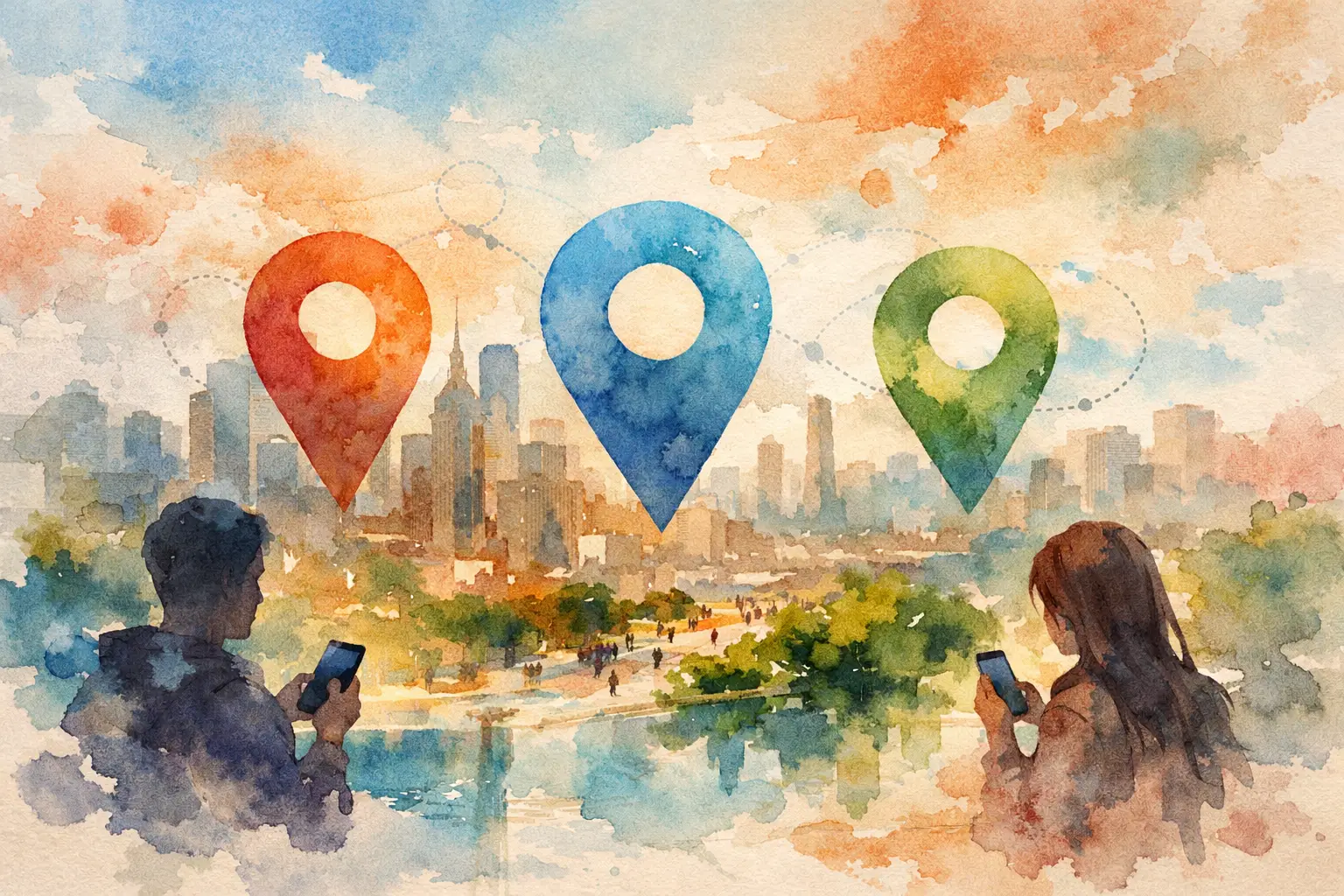
    They can, but not automatically. A location tag is not privacy-first simply because it is attached to a place instead of a name. The difference comes down to the choices behind it: how precise the location is, when a post becomes visible, who can respond, and whether either person can opt out at every stage.

    For people who want more from city life than a stack of swipes, that distinction matters. Real-world chemistry deserves a respectful path forward, not an invitation for strangers to trace someone home.

    Can Geotagged Posts Protect Privacy? The Honest Answer

    A precise, public, real-time geotag can create risk. If a post says that someone is currently sitting at a specific corner table in a certain coffee shop, it can reveal more than a moment. It can reveal a person’s routine, current location, and vulnerability.

    But place-based posts do not have to work that way. Privacy is possible when a platform treats location as context rather than surveillance. The goal is not to identify or track the person you noticed. It is to describe the shared moment well enough that the right person might recognize it and choose, on their own terms, to respond.

    Think of the difference between these two ideas. One says, “You were wearing a red coat outside the apartment building on Elm Street at 8:12 p.m.” The other says, “To the person reading by the window at the neighborhood café on Tuesday afternoon: I loved your book recommendation.” The first narrows someone into an identifiable target. The second preserves the feeling of an encounter while leaving room for consent.

    That room is where privacy lives.

    Location Should Be a Memory, Not a Live Pin

    The safest geotagged posts use broad, meaningful place references. A station, park, café, event venue, or neighborhood can be enough to spark recognition without broadcasting an exact coordinate. A person who was there knows the moment. Everyone else simply sees a story attached to a familiar place.

    Timing matters just as much. Delayed publishing can make a major difference, especially for posts about transit, nightlife, gyms, residential areas, or quiet routines. A post that appears after someone has left is far less revealing than one that announces their presence in real time.

    This is especially relevant in cities, where a single commute or favorite lunch spot can become a pattern. The romance of an accidental encounter should never require someone to share their daily map. A well-designed experience lets users revisit a moment without turning that moment into a trail.

    There is also a human responsibility here. If you are posting about someone you saw, keep the description kind and general. Do not include a person’s full name, workplace, license plate, route home, or details that would make them easily identifiable to people who were not part of the encounter. You are looking for mutual recognition, not trying to solve a mystery at any cost.

    Consent Is the Real Matching Mechanism

    No one should be contacted merely because another person recognizes them from a location-based post. The person being sought should have the power to decide whether they want to engage at all.

    That means the best place-based connection tools do not expose personal contact details, social profiles, phone numbers, or exact locations. They let someone see a post, recognize the memory, and make a voluntary choice. If they do not respond, the story ends there. No pressure. No workaround. No second channel used to chase an answer.

    Mutual consent changes the entire emotional texture of the experience. Instead of asking, “How can I find them?” it asks, “How can I leave a door open safely?” That is a much more romantic question, and a much more respectful one.

    At Once More, the idea is simple: a fleeting real-life moment can matter without requiring either person to become publicly searchable. The connection begins with shared context, then moves forward only if both people want it to.

    Privacy Design That Makes a Difference

    A privacy-protective geotagging experience is not one feature. It is a set of boundaries working together. The strongest systems usually include these safeguards:

    • Approximate location tags that identify a venue or area rather than sharing precise GPS coordinates.
    • Time limits and delayed visibility so posts do not become permanent records of where someone was at a specific moment.
    • Private, consent-based replies that keep personal information hidden until people choose to share it.
    • Content review and reporting tools that help prevent identifying, threatening, sexual, or otherwise inappropriate posts.
    • Clear deletion controls so users can remove their posts and decide how long a moment stays visible.

    Each safeguard solves a different problem. Broad location protects physical privacy. Time limits reduce the chance of routine-tracking. Private replies prevent unwanted exposure. Moderation helps keep the community from turning curiosity into intrusion. Together, they make space for serendipity without treating anyone’s presence in public as public property.

    The Trade-Off: Less Precision, More Trust

    There is a trade-off in privacy-first location posting: the less specific a post is, the harder it may be for the intended person to recognize it immediately. A vague note about “someone at a café” may not be enough. A highly detailed note may be too much.

    The answer is not more identifying information. It is better memory cues.

    Mention the shared context rather than private traits. Was it the rainy afternoon at the bookstore event? The delayed train where you both laughed at the conductor’s announcement? The outdoor concert where a sudden downpour sent everyone running for cover? These details can be distinctive without revealing a face, address, job, or routine.

    The same principle applies beyond romance. If you lost a tote bag near a market, describe the item and general place, but avoid posting sensitive contents. If you are hoping to reconnect with an old classmate, name the school community and graduating period instead of publishing personal contact details. A thoughtful post gives the right person enough to respond while limiting what strangers can misuse.

    How to Post With Care

    Before sharing a geotagged post, pause for one small privacy check: would this description make a reasonable person feel observed, exposed, or easy to find? If the answer is yes, rewrite it.

    Choose the public setting where the encounter happened, not a route someone might take afterward. Keep the time frame broad when possible. Describe the feeling or shared event instead of a body, a specific outfit, or anything that could invite unwanted attention. And remember that silence is an answer. A missed connection is an invitation, not an obligation.

    It also helps to consider the setting. A post about a busy daytime festival is different from one about a nearly empty parking garage. A general tag for a popular museum is different from a tag connected to a residential building, school, medical office, or place where someone may expect greater privacy. Context should shape what you share.

    If a post makes you uncomfortable after publishing, remove it. If someone’s behavior crosses a line, report and block them. Privacy is not a one-time setting. It is an ongoing right to change your mind.

    A Second Chance Should Still Feel Safe

    The most meaningful encounters often happen in the smallest spaces between plans: a glance from across a crosswalk, a conversation cut short by a bus arriving, a stranger who helped you reach something on the top shelf. Technology can honor those moments when it is built to extend real life, not extract information from it.

    Geotagged posts protect privacy when they preserve the atmosphere of a place without exposing the people inside it. They work when location is softened, timing is thoughtful, communication is mutual, and boundaries are taken seriously.

    Leave the door open for fate. Just do not leave anyone’s privacy standing outside in the rain.

  • How to Reconnect After Concert Encounters

    How to Reconnect After Concert Encounters

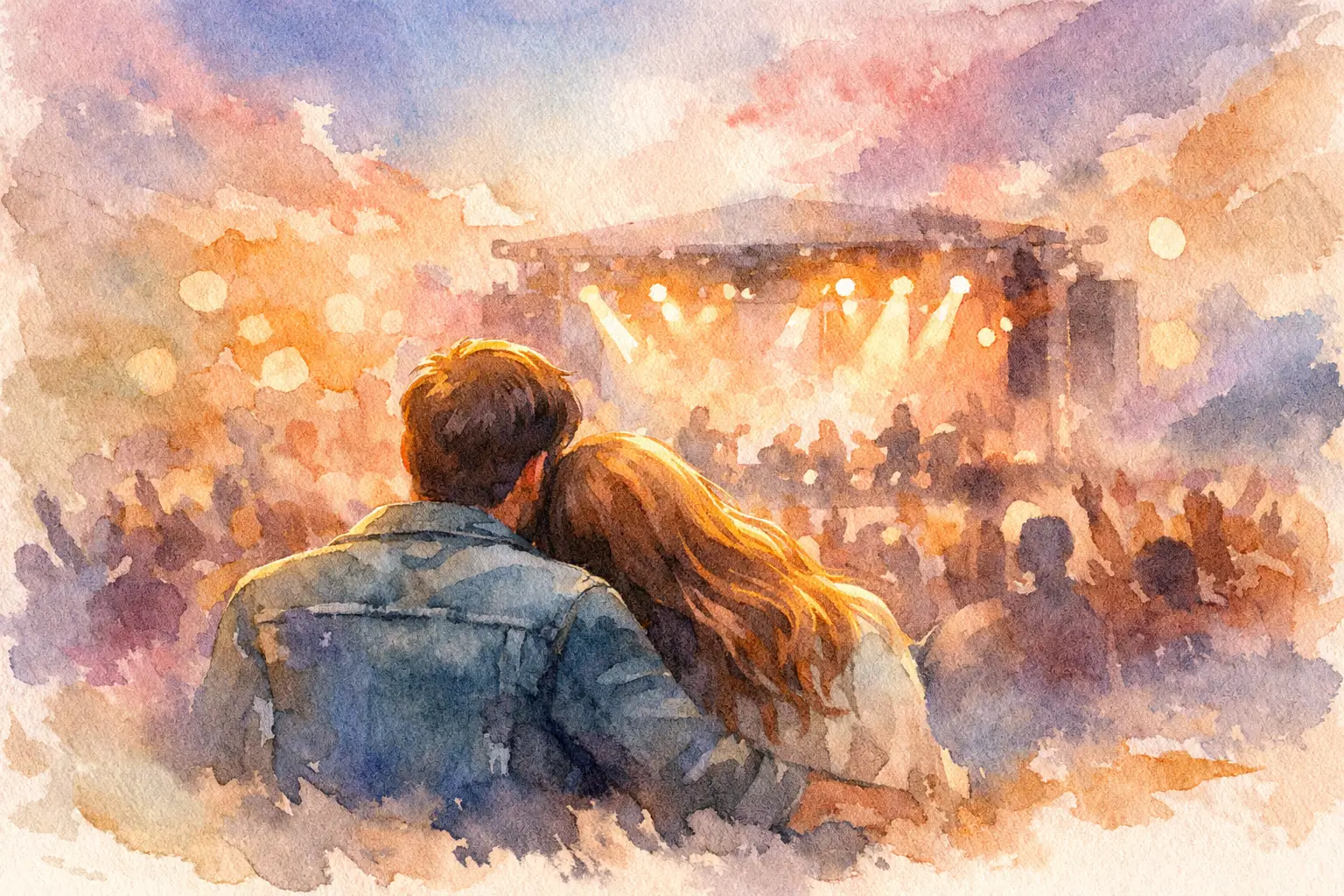
    The house lights came up. Your favorite song was still ringing in your chest. Somewhere between the final encore and the rush toward the exit, you shared a look with someone who seemed to feel it too. Then the crowd moved, the street swallowed everyone whole, and the moment was gone. If you want to reconnect after concert encounters, that feeling is not silly. It is a real response to a real spark that happened offline.

    A concert can make strangers feel briefly close. You sang the same words, waited through the same opening act, laughed at the same surprise onstage, and stood shoulder to shoulder while a room changed shape around the music. That is more meaningful context than a random swipe. The question is how to honor it without turning a beautiful, fleeting encounter into pressure.

    Why concert encounters stay with us

    Music lowers the volume on everyday self-consciousness. People arrive wearing their favorite version of themselves, whether that means leather boots, glitter, a vintage band tee, or simply the relief of being somewhere they have wanted to be for months. You see someone dancing without checking whether they look cool. They see you close your eyes during the song that mattered most.

    That kind of shared presence is rare in city life. At work, on transit, and in coffee shops, people are often moving toward the next thing. At a show, thousands of people pause for the same thing at once. The connection may only be eye contact, a conversation in line for merch, or a stranger offering to take your photo. Still, it can carry a strange clarity: you were both there, in that exact place, when that exact song filled the room.

    Of course, not every charged moment is an invitation. Someone may have been friendly, dancing freely, or making eye contact because the room was electric, not because they wanted to meet afterward. The magic is not in assuming what they felt. It is in creating a gentle way for them to choose whether the moment meant something to them too.

    Reconnect after concert encounters without chasing the moment

    The best reconnection attempt is specific, low-pressure, and easy to decline. Start with the details that only the two of you would recognize: the venue, the artist, roughly where you were standing, a song, a funny moment, or what you were both doing when you crossed paths. Skip descriptions that make the other person feel watched, such as their body, exact clothing, or where they went next.

    A good post might say: “To the person near the left side of the balcony who sang every word to the encore and laughed when the confetti cannon misfired: I was the one who said that was the best possible ending. I should have introduced myself. If you remember me, I would love to grab coffee and compare favorite tracks.”

    It works because it gives context, shows warmth, and leaves room. There is no demand for a response. There is no claim that fate owes anyone an answer. There is simply an open door.

    Keep the tone honest, especially if nerves got in the way. “I meant to say hi but froze” is more charming than pretending the missed connection was a grand mystery. Real confidence is not having the perfect line. It is being clear while respecting the possibility that the other person may not be looking for a second act.

    Share enough to be recognizable, not traceable

    Concert nights create lots of memorable details, but not all of them belong in a public post. Avoid sharing a person’s full name, workplace, social media handle, license plate, hotel, or a precise route home. Do not post a photo of someone without their permission. Even a well-meant search can cross a line when it gives strangers identifying information they did not choose to share.

    Instead, anchor the message in the shared event. Mention the venue section broadly, the setlist moment, the snack line, or the fact that you both waited out the rain after the show. These details invite recognition while preserving privacy.

    Place-based tools such as Once More are built for this kind of moment: you can tag the location and time of an encounter rather than searching through profiles and hoping an algorithm guesses your type. The person on the other side can decide privately whether to respond. That consent is not an obstacle to romance. It is what makes a second chance feel safe enough to be exciting.

    Post while the memory is warm, but not while you are overwhelmed

    There is a sweet spot after a concert. Posting that night or the next morning gives the other person a fair chance of recognizing the occasion before their weekend blurs into a dozen other plans. Yet if you have been drinking, are running on no sleep, or feel emotionally flooded by the performance, write the message and revisit it later.

    Ask yourself one simple question: Would this feel kind if I received it? If the answer is yes, send it. If it sounds like you are demanding an explanation for why they disappeared from your life after thirty seconds of eye contact, soften it. The goal is not to make the other person carry your hope. The goal is to offer a moment of possibility.

    Let the shared music do some of the talking

    When a reconnection happens, you do not need to force it into a love story immediately. Start where you already overlap. Ask which song hit them hardest, whether they have seen the artist before, or what they listened to on the way home. A concert encounter gives you a natural first thread, and it is more interesting than opening with a résumé-style exchange about jobs and neighborhoods.

    If the conversation flows, suggest something proportionate to the moment: coffee near the venue, a record store visit, another local show, or a low-key drink before an upcoming performance. A small plan is often better than turning one electric night into an oversized promise.

    There is also room for friendship. Maybe the person you met is not romantically available. Maybe neither of you feels that kind of spark once the amplifiers are gone. You can still have found a concert buddy, a fellow fan, or a reminder that strangers can be generous with each other. Not every connection has to become a relationship to have been worth making.

    What not to do after a missed connection

    A little restraint protects the good part of the story. Do not repeatedly post about the same person across every neighborhood group and social platform. Do not ask friends to identify them from a blurry crowd photo. Do not treat a lack of response as a puzzle to solve.

    If they do respond, let the pace be mutual. If they do not, let the night remain what it was: a bright, human moment that happened without needing to be possessed. There is dignity in trying once with care, and dignity in accepting silence.

    The same principle applies if you see them again at another show. Say hello if the setting makes it comfortable, but do not corner them or act as though your post created an obligation. Consent is active, not assumed. The right connection will make room for both people to feel relaxed, curious, and free to choose.

    Give serendipity a second chance

    Concerts end fast by design. The encore drops, the lights rise, and suddenly everyone is back in the practical world, checking train times and looking for their friends. But a missed hello does not have to become a permanent what-if.

    Make your invitation clear, keep it private-minded, and let the other person meet you only if they want to. Sometimes the reply will arrive. Sometimes it will not. Either way, you showed up for the kind of world you want to live in: one where real chemistry is noticed, boundaries are honored, and a shared chorus can still lead somewhere beautiful.

  • Why Avoid Dating Profiles? Choose Real Chemistry

    Why Avoid Dating Profiles? Choose Real Chemistry

    A stranger smiles at you from across a coffee shop. You both reach for the same train door. There is a small, unmistakable spark – and then the city keeps moving.

    That moment can feel more alive than an hour of swiping. So, why avoid dating profiles when they seem to offer endless options? Because for many people, endless options have started to feel like endless performance. The real thing often begins before anyone has chosen the right photo, written a clever prompt, or turned their personality into a caption.

    Dating Profiles Can Turn People Into Products

    A dating profile asks a complicated human being to become easy to scan. Pick six photos. Name your interests. Describe your ideal Sunday. Make your humor visible in 150 characters. Then wait for strangers to decide whether your life looks appealing enough to enter.

    There is nothing wrong with sharing who you are. A good bio can start a lovely conversation, and dating apps have helped plenty of people find meaningful relationships. But the profile format has a built-in limitation: it makes attraction feel like a shopping decision.

    When every person arrives as a card in a stack, it is easy to compare instead of connect. A face becomes a thumbnail. A hobby becomes a signal. Someone who might have made you laugh until you cried can be dismissed because their photos are not polished, their prompt was awkward, or they do not fit the type you thought you wanted.

    Real chemistry does not always photograph well. Sometimes it is a voice. Sometimes it is the kindness with which someone makes room for another person on a crowded sidewalk. Sometimes it is the shared look after a barista mispronounces both your names.

    Why Avoid Dating Profiles When Chemistry Happened First?

    The strongest reason to avoid dating profiles is not that technology is bad. It is that technology should serve the moment, not replace it.

    When you meet someone in real life, your mind notices details no profile can hold. Their energy. The rhythm of conversation. The way you felt around them. You are not imagining compatibility from a curated collection of clues. You have already experienced a small piece of it.

    That does not mean every glance is destiny, or that a brief encounter tells you everything about a person. It simply means the connection has a more honest starting point. You noticed each other as people in a shared place, not as options in an endless feed.

    A real-world encounter also creates context. Maybe you were both sheltering from the rain outside a bookstore. Maybe you laughed at the same street performer, sat across from each other on the subway, or kept catching each other’s eye at a gallery opening. The setting is not just background. It is part of what made the moment memorable.

    Profiles tend to strip that context away. They ask, “Who looks promising?” A meaningful encounter asks something softer and often more true: “Was that something?”

    The Hidden Cost of Curating Yourself

    Dating profiles can make people feel like they are always auditioning. You may start taking photos for an audience you have not met. You may wonder whether your favorite interests are attractive enough to mention, whether your job sounds impressive enough, or whether being sincere will make you look too eager.

    Over time, this can pull people away from themselves. Instead of asking, “What kind of connection feels good to me?” they ask, “What version of me gets the most matches?”

    That pressure cuts both ways. The person reading your profile is also trying to decode a carefully arranged set of signals. Are those travel photos a genuine joy or a status display? Is that witty line actually funny in person? Does the person behind the photos feel open, warm, and present?

    No one should have to be a personal brand before they can be loved.

    Choosing connection rooted in a real encounter does not eliminate vulnerability. Reaching out after a missed moment can feel brave. But it is a different kind of bravery. It says, “I noticed you as you were, in the world.” Not, “I evaluated your highlights and would like more information.”

    Privacy Feels Different Without the Browse Culture

    Conventional dating platforms often depend on broad visibility. You post enough information for lots of strangers to assess you, hoping the right person eventually appears. For some people, that is a fair trade. For others, it feels exposed.

    Not everyone wants their face, workplace hints, routines, and personal story displayed to a large pool of people nearby. This can be especially tiring in a city where your social, professional, and dating worlds overlap more than you would like.

    A more intentional alternative starts with a specific encounter rather than open-ended browsing. Instead of placing yourself on display, you can put out a careful signal tied to a place and moment. The goal is not to attract everyone. It is to reconnect with the person who may have felt it too.

    Privacy still needs real safeguards. Location-based connection should never mean broadcasting someone’s exact whereabouts, tracking them, or pressuring them to respond. Consent has to sit at the center. A respectful platform gives people control over what they share, allows them to ignore unwanted contact, and treats every reconnection as mutual – never assumed.

    That is the romance worth protecting: not access to strangers, but an invitation they are free to accept or decline.

    Less Choice Can Create More Intention

    The promise of dating profiles is abundance. There is always another match, another message, another possibility waiting one swipe away. Yet abundance can create a strange kind of loneliness. When another option is always available, it becomes harder to give one conversation your full attention.

    This is not a judgment on anyone who uses dating apps. Sometimes profiles are practical. They help busy people meet outside their usual circles, clarify what they are looking for, and connect people who might never cross paths otherwise. If you are new to a city, part of a smaller community, or seeking a relationship with clear shared values, profiles can be useful.

    But they are not the only path. And they do not need to be your default.

    There is a quiet relief in focusing on one moment that already mattered. It invites you to be curious rather than transactional. What if the person from the corner table wanted to say hello too? What if the missed chance does not have to stay missed?

    That is the idea behind Once More: giving real-life encounters a second chance without forcing them into the swipe-and-perform routine. You remember the place, the time, and the feeling. Then you leave room for mutual recognition.

    How to Let Real-Life Connection Lead

    Avoiding dating profiles does not require becoming less social or waiting passively for fate to do all the work. It means becoming more available to the life already happening around you.

    Look up when you are out. Let your phone stay in your pocket for a few minutes longer. Go back to places that make you feel like yourself, whether that is a neighborhood bookstore, a running club, a late-night diner, or a museum on a rainy afternoon. When conversation appears naturally, allow it to be imperfect. A simple “I like your jacket” or “Have you tried that here?” can be enough.

    And if you miss the moment, do not punish yourself for being shy. Most people have a story about the stranger they wished they had spoken to. The beauty of a privacy-first, place-based reconnection tool is that it can hold that possibility gently. You can make an effort without making a demand.

    The point is not to romanticize every person you pass. The point is to remember that meaningful encounters are still happening beyond the screen. Keep your standards, honor boundaries, and trust the feeling when a moment seems worth another look. Sometimes the most interesting connection is not waiting in your queue. It is the one you almost let walk away.

  • Why Offline Chemistry Still Changes Everything

    Why Offline Chemistry Still Changes Everything

    The person across from you on the train looks up at the same moment you do. There is a pause, a smile that feels less accidental than the crowded car around you, and then the doors open. One of you steps out. The moment disappears before either of you says hello.

    That is the strange, electric territory of offline chemistry: something real happens before either person has a chance to package themselves into a profile, pick the perfect photo, or decide what version of themselves belongs online. It is not a guarantee of love. It is simply a spark worth respecting.

    What Offline Chemistry Actually Feels Like

    Offline chemistry is not a checklist. It is not a matching percentage, a shared playlist, or a clever opening line sent at 11:42 p.m. It is the feeling that arrives when a real person catches your attention in a real place.

    Maybe it is the stranger who laughed at the same tiny disaster in a coffee shop. Maybe it is someone you kept noticing at a gallery, both lingering in front of the same painting. Maybe it is a brief conversation at a crosswalk that ended because the light changed. The details can be ordinary. The feeling is not.

    What makes these moments powerful is that they happen without an audition. You notice a voice, a presence, the way someone treats the barista, the ease of a shared glance. You are responding to context and energy, not a collection of carefully chosen prompts.

    That does not mean first impressions are always right. Chemistry can be fleeting, and a beautiful moment does not tell you everything about a person. But it can tell you enough to make a respectful second chance feel worthwhile.

    Why Swipe Culture Cannot Recreate the Moment

    Dating apps have made meeting people more available, which can be genuinely helpful. They can expand your world, especially when work is demanding, your social circle is small, or you are new to a city. But availability is not the same as connection.

    Swipe-based dating asks you to make a fast decision with very little human information. A photo becomes a verdict. A bio becomes a performance. You may match with someone who looks perfect on screen, only to feel no rhythm at all when you meet.

    Real life works in the opposite direction. You can feel drawn to someone before you know their job title, their height, or whether they know how to write a witty answer to a prompt. The spark comes first. The details come later, as they should.

    There is another difference: an offline encounter belongs to a place and a moment. The person from the bookstore on Sunday afternoon is not just an anonymous face in a feed. They are part of a memory you both potentially share. That context creates a natural opening for reconnection without pretending you already know each other.

    The Missed Moment Is More Common Than You Think

    Most people have a story like this. You saw someone at a stoplight. You exchanged a few words while waiting for an elevator. You met a former classmate years after graduation and forgot to ask for their number. You found a lost item and wished there were an easier way to return it to the person who probably needs it.

    The problem is rarely a lack of interest. More often, it is timing. Public life moves quickly. Friends pull you in another direction. Your train arrives. You hesitate because you do not want to interrupt, embarrass someone, or make a stranger feel cornered.

    That hesitation can be a sign of care, not cowardice. A good connection should never require someone to override another person’s comfort. The goal is not to chase every glance or turn a private moment into a demand. The goal is to create a gentle path for two people who may both be wondering, did that mean something?

    A Second Chance Should Still Feel Like a Choice

    The romance of serendipity only works when consent stays at the center. A missed connection should feel like an invitation, never surveillance. That distinction matters.

    A thoughtful location-based post focuses on the encounter, not on identifying or tracking the person. Keep the description broad and respectful: the place, approximate time, and a detail that helps the right person recognize the moment without exposing anyone’s private information. Avoid posting sensitive details, names, workplaces, license plates, or anything that could make someone feel watched.

    The best message is warm, brief, and easy to decline. Something like: We shared a laugh outside the café near the park on Tuesday afternoon. If that was you and you would like to talk, I would love to say hello properly.

    There is no pressure hidden inside it. If they see it and feel the same pull, they can respond. If they do not, the moment remains what it was: a lovely passing connection. Respect is not the opposite of romance. It is what makes romance safe enough to be real.

    How to Honor the Spark Without Forcing It

    Offline chemistry deserves a little courage, but it also benefits from perspective. Before trying to reconnect, ask yourself what you actually remember. Was there a clear shared moment, or are you building a whole story from a single glance? Both experiences are human, but they call for different expectations.

    If there was a conversation, shared humor, or obvious mutual warmth, a short reconnection note may be perfect. If the encounter was only visual, keep any outreach especially light. You are offering a possibility, not claiming a bond.

    It also helps to act while the details are fresh. Note the place, time, and a neutral identifying detail for the memory, not for public exposure. The more specific your own recollection is, the easier it is to write a post that feels genuine rather than vague or overly intense.

    Once More was built for these in-between moments: the ones that are too real to forget but too brief to turn into an exchange of numbers. By letting people tag a place and moment rather than browse faces, it gives fate a practical little nudge while keeping connection mutual and privacy-first.

    Not Every Meaningful Encounter Is Romantic

    Offline chemistry can be romantic, but human connection is larger than dating. The same instinct that makes you want to find the person from the café might help you reconnect with an old school friend you spotted in a city crowd. It might help return a wallet, a notebook, or a set of keys to someone having a very bad day.

    That is part of the magic of place-based connection. Cities can feel anonymous even when they are full of people. Yet we are constantly sharing tiny worlds: the same subway platform, farmer’s market, concert line, campus lawn, neighborhood street. A tool that helps people reconnect can make those worlds feel a little more human.

    The trade-off is that openness needs boundaries. Community posts need care. Communication needs consent. A platform should make it easy to report misuse, review content, and protect people from being exposed or pressured. Romance without responsibility gets messy fast. A second chance at magic should never come at the cost of someone’s safety.

    Let Real Life Lead

    There is nothing wrong with meeting online. Sometimes the internet introduces you to the person who becomes your favorite person. But when a real-world moment has already made your heart pause, you do not need an algorithm to explain why it mattered.

    You only need a way to say: I remember that too. If you do, maybe we can continue the conversation.

    So the next time a moment ends too soon, do not treat it as proof that you missed your chance forever. Let the memory be sweet, let your approach be respectful, and leave room for the possibility that the city has one more chapter waiting for you.

  • How to Protect Privacy in Community Posts

    How to Protect Privacy in Community Posts

    A missed look on the train. A jacket left on the back of a café chair. The name of a former classmate that suddenly comes back to you after years apart. Community posts can turn these small, human moments into a real possibility – but only when you protect privacy in community posts from the very first sentence.

    The goal is not to make your post vague enough to disappear into the noise. It is to share just enough of the moment for the right person to recognize it, while keeping your identity, routine, and safety out of public view. Serendipity deserves boundaries. In fact, those boundaries are what make a second chance feel safe enough to take.

    How to protect privacy in community posts

    Think of a community post as an invitation, not an open file on your life. You are describing a shared moment, not handing strangers a map to your home, workplace, schedule, or personal accounts.

    Start with the setting and the feeling of the encounter. “We were both waiting for the downtown train after the concert” gives someone a meaningful clue. “I take the 6:42 train from Elm Station every weekday, then walk home to 22 Pine Street” gives away a pattern that no one needs to know.

    A useful rule is to post the memory, not the coordinates. Mention the neighborhood, venue, or general occasion when it matters. Leave out exact addresses, real-time whereabouts, regular commute details, and anything that would let a stranger predict where you will be next. If the moment happened very recently, consider waiting before posting. A little time protects your location without taking away the magic.

    The same principle applies to names. A first name may be unnecessary. A last name, employer, school schedule, phone number, social handle, or license plate should stay private. You can always share more later, after a conversation feels mutual and the other person has shown they genuinely belong to the story.

    Give the right person a way to recognize the moment

    Privacy does not mean stripping every detail from your post. The best posts carry a detail that is memorable to the intended person but not useful to everyone else.

    Maybe it was the yellow umbrella that flipped inside out in the rain. Maybe you both laughed when the barista called out the wrong drink. Maybe you were looking for the same lost dog at the park. These are gentle recognition cues. They give the other person a reason to reach out without turning your post into a public dossier.

    Be thoughtful about descriptions of appearance, too. A broad detail can be fine when it helps identify a shared moment, but avoid language that feels intrusive, sexualized, or overly specific. “You were wearing a green coat near the museum entrance” is usually enough. Listing someone’s body, age estimate, or every feature you noticed can make a hopeful post feel uncomfortable instead of flattering.

    When you are posting about a lost item, leave out one identifying detail on purpose. If you found a set of keys, say where and roughly when you found them, but do not describe every keychain or engraving. Ask the person who claims the item to provide that missing detail privately. This small pause helps separate the true owner from someone guessing.

    For former classmates or old friends, resist the urge to publish private history. You might remember a shared teacher, team, or graduation year, but you do not need to name a person’s family members, old address, or past hardship to prove you knew them. A reunion should feel like a door opening, not a personal record being reopened in public.

    Let consent shape the next step

    A community post should never pressure someone into revealing themselves. The person you noticed may be unavailable, uninterested, or simply not ready to respond. Their silence is an answer worth respecting.

    Write your post with an easy exit. Instead of demanding a response, try language that leaves space: “If this sounds like you and you would like to reconnect, I would be glad to hear from you.” It is warm, clear, and free of expectation. You are offering a possibility, not claiming a stranger’s attention.

    The same care matters after someone replies. Do not rush to exchange phone numbers, personal social accounts, or a precise meeting location. Begin in the app’s conversation space when one is available, and let trust build through the details only the two of you would know. Once More is designed around this idea: real-world chemistry can be honored without making public exposure the price of connection.

    If you decide to meet, choose a public place and tell a friend where you are going. For a lost-item return, a café counter, transit lost-and-found desk, or another staffed public location is often better than either person’s home. A little planning does not make the moment less spontaneous. It lets you enjoy it with your eyes open.

    The details that should stay off the post

    Some information belongs nowhere in a public community post, even if your intentions are completely good. Do not include your home address, private phone number, personal email, financial information, passwords, or photos of identification documents. Avoid posting a live location, a child’s school or schedule, workplace access details, or information that could expose someone else without their permission.

    Photos deserve extra care. A photo can contain far more than a face: a street sign, a vehicle plate, a location tag, a child in the background, or a reflection that reveals a private space. Before sharing one, check the edges as carefully as the center. If the image is not essential, a written description often works better.

    It also helps to separate emotion from information. You may feel certain that the person from the bookstore was special. You can say the encounter stayed with you. But avoid sharing assumptions about their relationship status, identity, job, or life story. A meaningful encounter is real without turning it into a narrative about someone you do not yet know.

    Protect privacy when replies arrive

    Your privacy work begins before publishing, but it does not end there. A good reply should recognize the moment without extracting personal information. Look for a detail that feels specific to your shared experience, then continue slowly.

    Be cautious when someone immediately asks you to move the conversation to text, sends a link, requests money, or pressures you to meet alone. Genuine reconnection does not require urgency. Someone who respects your boundaries will not punish you for taking your time.

    If a reply feels off, you do not owe it a debate. Stop responding, block the account if that option exists, and report behavior that is harassing, impersonating, threatening, or clearly unrelated to your post. Community spaces stay hopeful when people use the tools meant to protect them.

    There is a trade-off here: the more specific you are, the easier it may be for the right person to find you. It may also make it easier for the wrong person to identify you. The best balance depends on the situation. A lost wallet needs enough detail for a safe return. A missed connection needs enough atmosphere for recognition. Neither needs your whole life attached.

    Let the post be a beginning, not a disclosure

    The most memorable encounters often begin with very little: a glance across a crowded room, a shared laugh at a crosswalk, a stranger who helped when your bag tore open. You do not have to publish every detail to honor what happened.

    Leave a small, recognizable thread. Give the right person room to pick it up. Keep the rest of your story for the moment when trust, consent, and mutual curiosity make it yours to share.

  • 7 Best Apps for Chance Encounters That Feel Real

    7 Best Apps for Chance Encounters That Feel Real

    The person across from you on the train smiled just before their stop. The stranger at the coffee shop held the door, said something that made you laugh, then disappeared into the afternoon. Those moments are small, but they can stay with you for days. The best apps for chance encounters give those real-world sparks somewhere to go – without turning every sidewalk, café, or subway car into a swipe queue.

    This is a different kind of connection. You are not choosing someone from a stack of polished photos. You are trying to find the person who was actually there: at that concert, on that street corner, in line for the same late-night slice. The right app should honor the magic of the moment while protecting everyone involved.

    What makes an app good for a missed connection?

    A chance encounter app should start with context, not a curated profile. Place, time, a brief description of the moment, and a respectful invitation are often enough. That context helps the right person recognize the experience without exposing either person to an audience of strangers.

    Privacy matters just as much as romance. Real-time location sharing, public personal details, and pressure to reply can turn a sweet idea into an uncomfortable one. Look for apps that let people opt in, control what they reveal, and communicate only when interest is mutual. A second chance at magic should always leave room for a clear no.

    Finally, consider what you actually want. Are you hoping to reconnect with someone you noticed on your commute? Meet people nearby who are open to dating? Find an old friend or recover something you lost? The best choice depends on the story you are trying to continue.

    Best apps for chance encounters, by the moment

    1. Once More for the person you actually met

    If the encounter itself is the point, a place-and-moment-based platform is the most natural fit. Once More is built around the feeling of, “We were there at the same time, and I wish I had said more.” Rather than asking you to browse faces, it lets you tag a location and moment so the other person can recognize the shared scene and choose whether to respond.

    That distinction matters. It keeps the focus on real-life chemistry – the conversation cut short by a green light, the eye contact at a gallery, the stranger who helped with your umbrella – rather than on performing for a profile. It can also support less romantic reconnections, such as searching for a former classmate or posting about a lost item.

    The trade-off is patience. A person has to see the post, recognize the moment, and decide to engage. That is not instant gratification. It is intentional, consent-based connection, which is often a better fit for a moment that already felt meaningful.

    2. Happn for crossing paths again

    Happn is designed around proximity and people whose paths overlap in everyday life. It can appeal to someone who wants a more local feeling than a broad dating app offers, especially in a busy city where routines often bring the same people into view.

    Its strength is the possibility of turning recurring proximity into a conversation. Maybe you keep seeing the same person near your office, at your gym, or on a familiar neighborhood route. It creates a bridge where approaching in the moment might have felt awkward.

    Still, proximity is not quite the same as a specific missed connection. If you only saw someone once at a festival or during a delayed flight, a location-based post tied to a precise moment may feel more relevant. As with any location-aware service, review your privacy settings carefully and avoid sharing identifying details publicly.

    3. Hinge for a chance encounter that becomes a date

    Hinge is not built to locate the person from your 8:17 a.m. train ride. It is a profile-based dating app, and that is exactly why it can be useful when your missed moment has made one thing clear: you want to meet someone with similar energy.

    The app gives people more prompts and context than a simple photo-first experience, which can lead to more thoughtful conversations. If you are open to meeting a new person rather than finding one exact stranger, it offers a practical route from curiosity to plans.

    The compromise is obvious. You may find a great connection, but probably not the person who smiled at you outside the bookstore. Use it when you are ready to create a new story, not when you are trying to identify a particular face from a particular afternoon.

    4. Bumble for a more structured first move

    Bumble can work well for people who like dating apps but want a clearer framework around starting conversations. Its matching format is familiar, and its additional social modes can make it useful for friendship and community-building as well as dating.

    For chance encounters, Bumble is best viewed as a next-step app. Perhaps a real-world moment reminded you that you want to be more open, more social, or more willing to say yes to a drink after work. It offers a structured place to act on that feeling.

    But structure also means profiles, photos, and matching behavior. For some people, that is reassuring. For others, it is exactly the polished, performative layer they are trying to escape. If you are looking for fate with a little help from a map, choose an experience that starts offline instead.

    5. Meetup for finding the room where serendipity happens

    Not every chance encounter needs to be recovered after the fact. Sometimes the best way to meet more interesting people is to spend time in places where conversation has a reason to begin. Meetup helps people find local gatherings around hobbies, professional interests, wellness, language exchange, volunteering, and more.

    It is less romantic by design, which can be a relief. You can show up because you like photography, board games, running, or independent films, then let connection develop without the pressure of calling it a date. For newcomers to a city or anyone rebuilding a social circle, that is powerful.

    The trade-off is that it cannot rewind time. It will not help you locate the person from last Saturday. It can, however, make future meaningful encounters much more likely.

    6. Nextdoor for practical local reconnection

    Sometimes the encounter is not romantic at all. You found a set of keys near the park, spoke to a neighbor whose name you forgot, or want to reconnect with someone from a community event. Nextdoor is centered on neighborhood communication, and that local focus can be useful for practical posts and nearby questions.

    Use it with restraint. Keep descriptions general enough that only the rightful owner of a lost item can verify it. Do not post someone’s photo, address, workplace, license plate, or other identifying information in an attempt to find them. A community space works best when it feels safe for everyone in it.

    7. Instagram for an event-specific clue

    Instagram is not a dedicated chance encounter app, but public event tags and location posts can occasionally help when the setting was specific: a pop-up market, live show, gallery opening, or campus event. If you remember a venue, performer, or event name, you may find people who shared the moment.

    This approach requires extra care because it is easy to cross a boundary. Do not comb through profiles to identify someone, message repeatedly, or treat a public post as an invitation to private contact. If you send a note, make it brief, polite, and easy to decline. One respectful message is enough.

    How to post a missed connection without making it weird

    The best posts feel like an open door, not a search warrant. Mention the setting and time window, then describe a detail of the shared moment that the right person would recognize. “You recommended the cinnamon pastry at the café near Union Square around noon” is better than a physical description or a demand for proof.

    Keep the tone warm and low-pressure. Say what you appreciated, state that you would be happy to reconnect, and make clear that no response is completely okay. Avoid names, photos, exact travel routes, or personal clues that could identify someone to others.

    A good rule is simple: write the post you would feel comfortable receiving. The goal is not to track a stranger down. It is to give them a private, voluntary chance to say, “That was me.”

    Let the moment stay human

    Technology cannot manufacture chemistry, and it should not try to. What it can do is make room for the small possibilities we usually lose to a closing door, a crowded platform, or a little too much shyness.

    Choose the app that fits the moment, protect each other’s privacy, and keep your invitation kind. Fate may need a little signal sometimes. It should never need pressure.

  • Examples of Reconnecting After a Chance Meeting

    Examples of Reconnecting After a Chance Meeting

    You leave the café, step onto the train, or turn the corner after a concert, and the moment stays with you. Maybe it was a conversation that ended when a phone rang. Maybe it was only a shared laugh, a kind gesture, or that unmistakable second of eye contact that made the whole city feel quieter. The best examples of reconnecting after a chance meeting begin there: with a real-world spark, handled with care.

    A second chance should never feel like pressure. It should feel like an open door – one the other person is completely free to walk through, or not. That is the difference between honoring a meaningful encounter and trying to force a story onto a stranger.

    What makes a reconnection feel right?

    The strongest reconnection attempts are specific, brief, and grounded in what actually happened. They do not invent intimacy. They do not demand an answer. They simply say, “I remember that moment too, and if you do as well, I would be glad to say hello.”

    Details matter because they help the right person recognize the encounter without revealing more than necessary. Name the place, general time, and small shared detail: the delayed downtown train, the dog in the yellow raincoat, the bookstore reading, the umbrella that flipped inside out. Leave out identifying details that could make someone feel watched or exposed.

    It also depends on the encounter. A warm conversation in a coffee line may invite a slightly more personal message than a passing glance at a stoplight. When in doubt, choose less intensity, not more. Chemistry is best when it has room to breathe.

    Examples of reconnecting after a chance meeting

    The coffee shop conversation that got cut short

    You were talking with someone in line about the novel they were holding when their order was called. You both smiled, then the moment disappeared into the morning rush.

    A respectful post could say: “To the person reading at the window table at Maple Street Coffee on Saturday morning: we were comparing favorite endings, and I still think you were right about the last chapter. If you’d like to continue the conversation, I’d love that.”

    Why it works: it names a shared exchange, not an imagined relationship. It gives them an easy way to recognize the moment and a no-pressure choice to respond.

    The stranger who helped when the city was moving too fast

    Perhaps someone caught the tote bag slipping from your shoulder on a crowded subway platform, helped carry a stroller down a station staircase, or pointed you toward the right bus when you were clearly lost. Not every reconnection has to be romantic. Gratitude is a beautiful reason to try once more.

    Try: “Thank you to the person who helped me find the northbound platform at Union Station around 6 p.m. on Tuesday. I was having a rough day, and your kindness changed its direction. I hope this reaches you.”

    There is no expectation hidden inside that message. It gives appreciation its proper place. If a conversation follows, lovely. If not, your thanks still traveled somewhere meaningful.

    The train ride with a shared, quiet connection

    Sometimes there was no conversation at all. You both looked up from your books when the same musician started playing. You laughed at the same announcement. You exchanged a glance that felt strangely familiar before one of you stepped off at the next stop.

    The key here is restraint. A message such as “To the person on the 7:40 train from Brooklyn to Manhattan, wearing headphones and reading poetry: I noticed our shared smile when the violinist played. If that moment meant something to you too, I’d be happy to connect” is enough.

    Avoid language that claims certainty about how they felt. You can describe your experience without assigning one to them. That small distinction is privacy-minded, emotionally mature, and far more likely to feel welcome.

    The event connection that vanished in the crowd

    At a gallery opening, street festival, lecture, or live show, conversations are often interrupted by friends arriving, sets beginning, or a crowd shifting between rooms. You may have exchanged names but not numbers. You may have talked for ten minutes about a local band, then lost each other before the encore.

    A good reconnection note might read: “We talked near the back of the outdoor show in Prospect Park on Friday about seeing that band for the first time. You said the drummer was the secret star. I agree. If you see this and want to grab coffee before another show, I’m here.”

    The invitation is light, tied to the original context, and easy to decline by simply not engaging. That is the kind of second chance that respects both fate and freedom.

    The old classmate you spotted but never reached

    Chance meetings can bring the past rushing forward. Maybe you saw someone from high school at a farmers market, recognized a former college lab partner across a lobby, or passed an old neighbor before you could say their name out loud.

    Keep this kind of outreach gentle, especially when years have passed. “I think I saw you at the Riverside market on Sunday, and it made me remember our chemistry class experiments. If it was you, I hope life has been treating you well. No pressure to reply, but I’d love to catch up.”

    This gives the person room to decide whether reconnecting belongs in their present life. Nostalgia can be sweet, but it should never become an obligation.

    The lost item with a human story behind it

    A found scarf, notebook, camera, or set of keys can also create a practical reconnection. The goal is not to identify the owner publicly, but to make recovery possible through details only they would recognize.

    For example: “Found near the benches outside the Eastside cinema after the late showing: a small black notebook with a distinctive sticker inside. Tell me the sticker or a detail from the first page, and I’ll make sure it gets back to you.”

    This is where community-minded reconnection matters most. Protect the owner’s privacy, avoid posting photos of personal information, and arrange any handoff in a public place when appropriate.

    How to write a message that feels safe and sincere

    Before posting, ask yourself one honest question: would this message feel flattering and comfortable if it were about you? If the answer is uncertain, revise it.

    Start with the location and a broad time window. Add one harmless, shared detail. Say what you are hoping for, whether that is a thank-you, a returned belonging, or a chance to finish a conversation. Then make consent unmistakable. Phrases like “if you’d like,” “if this was you,” and “no pressure” are not filler. They communicate that the other person remains in control.

    Keep your first message short. You do not need to explain your entire life, describe what they were wearing in detail, or prove how long you have been thinking about the encounter. A real moment does not need a dramatic speech to be real.

    Once More is built around this idea: letting people tag a place and moment without turning strangers into profiles to browse. The point is not to chase every glance. It is to give a meaningful encounter one respectful opportunity to find its way back.

    Know when to let the moment stay a moment

    Not every missed connection should become a search. If someone appeared uncomfortable, was working, was with children, or clearly did not engage, let the moment go. The same applies if your post receives no response. Silence is an answer, and accepting it is part of respectful connection.

    A single, carefully written attempt is usually enough. Do not repost repeatedly, add more identifying details, or try to locate someone through other channels. Serendipity loses its magic when it stops being mutual.

    There is something quietly brave about saying, “That mattered to me.” Whether the answer is a new friend, a returned notebook, a long-overdue catch-up, or no reply at all, you showed up with warmth and boundaries intact. In a city full of almosts, that is its own kind of magic.

  • 7 Intentional Dating App Examples That Feel Real

    7 Intentional Dating App Examples That Feel Real

    You remember the moment because it was not a profile. It was the person across from you on the train who laughed at the same badly timed announcement. The woman at the coffee shop who held the door, then looked back. The stranger at the gallery whose observation stayed with you long after you left. Intentional dating app examples matter because they make room for these moments – and for people who want dating to feel more human than a nightly sorting exercise.

    Intentional dating does not mean every connection needs to arrive with a five-year plan. It means being honest about why you are here, treating another person’s attention with care, and choosing experiences that bring out real chemistry rather than polished performance. The right app can support that. The wrong one can turn romance into endless browsing.

    What Makes a Dating App Intentional?

    An intentional dating app creates a little more friction in the places where thoughtfulness matters, and less friction in the places where connection should be easy. Instead of rewarding users for collecting matches, it may ask better questions, limit daily introductions, center shared activities, or encourage people to meet in the real world.

    That does not make one format universally better. Someone who is new to a city may want lively events and many possibilities. Someone exhausted by swipe culture may prefer one curated introduction a week. Someone who felt a spark in public may not want a stranger’s full profile at all – they may simply want a respectful second chance to find each other.

    The common thread is purpose. An intentional app helps people move from curiosity to clarity without making them perform for an audience.

    7 Intentional Dating App Examples to Consider

    1. The values-first matching app

    This format begins with the things that shape a life: relationship goals, family plans, faith, lifestyle, politics, community, or how someone spends a Sunday. Rather than leading with a photo and a split-second judgment, it uses compatibility prompts to narrow the field.

    Values-first matching works especially well when you already know what would create real tension later. If you want a committed relationship, for example, it can save you from investing in someone who is clear that they do not. The trade-off is that a strong filter can become a fortress. Leave enough room for surprise. Shared values matter, but no questionnaire can predict the feeling of being understood across a table.

    2. The limited-match app

    Some platforms deliberately offer only a small number of potential matches each day or week. The premise is simple: fewer options can create better attention. When you are not juggling 30 conversations, you are more likely to read a prompt carefully, write something specific, and follow through.

    This approach can feel like a relief after the restless loop of matching, chatting, and disappearing. It also exposes a truth people often avoid: dating requires some patience. A smaller pool may be frustrating in a less populated area, or if you want to meet quickly. But for people who keep deleting apps because they feel like another feed, a slower pace can restore the point of the whole thing.

    3. The prompt-led conversation app

    Prompt-led apps make personality visible through answers rather than a carefully chosen highlight reel. A question such as “What are you unreasonably excited about this month?” can reveal more than a row of posed photos. The best prompts invite a response, not applause.

    This is intentional when users treat prompts as openings. Skip the generic compliment and respond to the detail that made you pause. If someone says they are learning to make ramen from scratch, ask what went wrong on their first attempt. A real conversation has texture.

    The limitation is obvious: people can still curate a clever version of themselves. Prompts are an introduction, not evidence. Let them lead to a call, a walk, or a low-pressure coffee instead of becoming a pen-pal audition.

    4. The activity and event-based app

    Activity-centered dating brings people together around a concert, a book talk, a run club, museum night, cooking class, or local meetup. It gives a first encounter something to hold besides the pressure of immediate romantic brilliance.

    For urban daters, this can be a beautiful middle ground between meeting through friends and meeting through a screen. You see how someone moves through a room. You notice whether they are kind to the staff, curious about other people, and genuinely present. Those signals are difficult to capture in a bio.

    Still, an event is not automatic consent to flirt. Read the room. If the energy is not mutual, keep it warm and respectful. The goal is not to treat every community gathering as a dating buffet. It is to let shared interests create more natural opportunities for connection.

    5. The video-first app

    Video-first dating asks people to show up as a voice, a laugh, a rhythm of speech, rather than a static image. It can quickly answer the question that messages often cannot: do we actually enjoy talking?

    For some people, a brief video introduction feels more honest and more efficient than a week of texting. It may also reduce the mismatch between a highly edited profile and an in-person meeting. But it is not automatically less performative. Cameras can make shy people freeze, and not everyone has a private or comfortable place to record.

    Use video as an option, not a test of confidence. A person who is thoughtful in writing may be nervous on camera and still be wonderful company.

    6. The matchmaker or curated-introduction app

    Curated dating replaces an open catalog with recommendations selected by a person, a community, or a detailed matching system. You may receive an introduction because of common priorities, a mutual network, or an unusually compatible way of living.

    This model is intentional because it asks you to give up some control in exchange for focus. You may not get the instant rush of hundreds of possibilities, but you may spend more energy on a match with genuine potential. It can be particularly appealing for busy professionals or anyone tired of doing all the searching alone.

    The caution is cost and expectation. Curated services can be expensive, and a thoughtfully chosen introduction is still only an introduction. Chemistry cannot be outsourced. Show up open-minded, but do not mistake curation for a guarantee.

    7. The real-world reconnection app

    A real-world reconnection app begins after life has already offered a spark. Maybe you exchanged a glance at a stoplight, shared a quiet joke in line, or kept noticing each other during a rainy commute. You left without names, and the moment became one of those tiny city mysteries.

    Instead of browsing strangers by face, this format lets users identify a place and time connected to the encounter. Once More is built around that second chance at magic: a way to power up your serendipity without turning real life into a public profile.

    This is one of the most emotionally intentional models because it honors what happened offline first. You were drawn to a real person in a real moment, not an algorithm’s image of them. Privacy and consent have to be central, though. A reconnection should never become surveillance or pressure. Keep details broad enough to protect everyone, communicate respectfully, and accept silence as an answer.

    How to Choose the Format That Fits You

    Before downloading anything, ask yourself one quiet question: what kind of connection do I actually want to make room for? Not what sounds impressive. Not what your friends are doing. What would make dating feel more alive and less draining?

    If you want alignment early, choose values-led or curated introductions. If you are craving personality and conversation, prompts or video may help. If you miss spontaneous city magic, event-based and real-world reconnection formats may feel more like you. You can also use more than one approach, as long as your energy and intentions remain honest.

    Then create a boundary that protects your attention. Try setting a short window for app use instead of checking compulsively. Move a promising conversation toward a simple plan within a reasonable time. Meet in a public place, tell a friend where you are going, and trust discomfort when it appears. Intentional dating is romantic, but it is never reckless.

    Make Your Presence the Point

    The most meaningful shift may have nothing to do with an app feature. It is the choice to become more available to the world around you. Look up from your phone on the platform. Let yourself linger after a class. Say hello when it is appropriate. Notice the people, places, and moments that make your ordinary route feel electric.

    An app can offer a path back when timing gets in the way. The rest begins with attention, courage, and the grace to let another person choose freely. Your next connection may not arrive as a perfect match. It may arrive as a moment you almost let pass.